The Luxury Console Era: Are Next-Gen Prices Killing the Casual Gamer?
Why PC Gaming Is Winning in 2026 While Consoles Are Becoming Too Expensive
For years, gamers believed consoles would dominate the future of gaming while PC gaming slowly faded into a niche hobby. But in 2026, the opposite is happening. Gaming PCs are growing more popular every year, while Xbox and PlayStation consoles are becoming increasingly difficult for average players to afford.
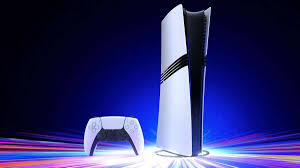
With rumors suggesting the next generation of Xbox and PlayStation systems could launch at prices close to $900 or even higher, many gamers are beginning to question whether consoles are still worth the investment. At the same time, PC gaming continues to expand thanks to affordable hardware options, digital game libraries, free-to-play titles, cloud gaming, and better long-term value.

Console Prices Are Reaching Dangerous Levels
The current console generation already shocked gamers with higher prices. The PlayStation 5 and Xbox Series X originally launched at around $499, but multiple price increases over the years pushed them far beyond their original cost.
Now, industry analysts believe the next PlayStation and Xbox consoles could start at around $900 due to rising production costs, global inflation, chip shortages, and expensive hardware manufacturing.
For many players, especially younger gamers, spending nearly a thousand dollars on a gaming machine no longer makes sense. Most casual players mainly use consoles for titles like Call of Duty, sports games, Fortnite, or Roblox. A massive hardware investment becomes difficult to justify when cheaper alternatives already exist.
Why PC Gaming Keeps Growing
PC gaming has quietly become the dominant platform for modern gaming culture. Unlike consoles, PCs serve multiple purposes beyond gaming. A gaming PC can be used for work, streaming, content creation, school, video editing, and social media alongside gaming.
Even better, many of the world’s most popular games do not require ultra-powerful hardware anymore. Games like Minecraft, Counter-Strike 2, League of Legends, Valorant, Roblox, Fortnite, and Dota 2 run perfectly fine on older or mid-range PCs.
This creates a huge advantage for PC gaming in 2026. Players do not need the latest graphics card or expensive setup to enjoy the games everyone is talking about online.
Steam Changed Everything
One of the biggest reasons for PC gaming’s success is Steam. Valve’s digital platform transformed how players buy and access games. Massive seasonal sales, thousands of indie games, user-generated content, and constant discounts make PC gaming feel more affordable over time.
Unlike consoles, where players often pay premium prices for digital games, PC users regularly build huge libraries at lower costs. Steam also supports backward compatibility naturally, meaning older games remain playable for years without expensive remasters.
Meanwhile, consoles still struggle with game preservation, subscription fatigue, and fragmented digital ecosystems.
Graphics Improvements Are Slowing Down
In previous gaming generations, new consoles delivered dramatic visual leaps. The jump from PlayStation 1 to PlayStation 2 or from Nintendo 64 to GameCube felt revolutionary.
But modern graphics improvements have become smaller and harder to notice. Today’s games already look extremely realistic, and many players no longer feel pressured to upgrade hardware just for slightly better lighting or reflections.
This creates a major problem for console manufacturers. If visual upgrades are no longer enough to sell expensive hardware, companies need stronger reasons for gamers to upgrade.
Unfortunately for Sony and Microsoft, exclusive games are also becoming less exclusive.
Exclusive Games No Longer Feel Exclusive
Over the last decade, both Sony and Microsoft have shifted many of their biggest games to PC. Xbox titles now launch on PC almost immediately, while PlayStation exclusives like God of War, Spider-Man, Horizon, and The Last of Us eventually arrive on Steam.
This weakens one of the biggest historical reasons for buying consoles in the first place.
If players can access most major titles on PC anyway, why spend nearly $900 on another gaming box connected to a television?
Many gamers are now choosing to invest in a PC ecosystem that gives them access to multiple storefronts, mods, emulation, streaming tools, competitive games, and productivity software all in one place.
The Rise of Social Gaming and Streaming
Younger audiences are also changing how gaming works in 2026. Gen Alpha and younger Gen Z players spend massive amounts of time watching Twitch streams, YouTube gaming content, TikTok clips, and multiplayer social experiences.
Games like Roblox, Fortnite, Minecraft, and GTA Online are no longer just games — they are social platforms.
PC gaming naturally supports these trends better than traditional consoles. Players can multitask, communicate through Discord, stream gameplay, create mods, edit videos, and interact with online communities simultaneously.
For younger gamers who grew up online, this flexibility matters far more than owning a traditional console.
Hardware Costs and AI Are Making Things Worse
Another major factor behind rising console prices is the ongoing global hardware crisis. AI companies are consuming enormous amounts of chips, memory, and storage components for data centers and machine learning systems.
This has created increased competition for essential gaming hardware components, pushing manufacturing costs higher across the entire tech industry.
Trade issues, shipping disruptions, inflation, and global economic instability have also increased costs for electronics manufacturers worldwide. Gaming consoles are no longer protected from these economic realities.
Can Nintendo Avoid the Same Problem?
Nintendo currently sits in a stronger position than Sony and Microsoft because of its unique first-party franchises and hybrid gaming strategy. The Nintendo Switch 2 launched successfully despite its higher price, largely because Nintendo games remain powerful system sellers.
Franchises like Zelda, Mario, Pokémon, and Animal Crossing still create massive demand. However, even Nintendo cannot ignore the rising costs affecting the industry.
If future Nintendo hardware continues becoming more expensive, the company may eventually face the same challenges as PlayStation and Xbox.
The Future of Gaming May Be Hybrid
The future likely belongs to flexible gaming ecosystems rather than traditional consoles. Microsoft already appears to be moving toward a hybrid Xbox-PC approach, with reports suggesting future Xbox systems could support storefronts like Steam and Epic Games Store.
This strategy makes sense because the line between console gaming and PC gaming is disappearing fast.
Players increasingly care less about hardware brands and more about convenience, game access, cross-platform features, and long-term value.
Final Thoughts
Gaming in 2026 is entering a major transition period. Consoles are becoming more expensive while offering fewer unique advantages than before. At the same time, PC gaming continues to thrive because of flexibility, affordability over time, massive digital libraries, and social gaming integration.
Unless Sony and Microsoft find ways to reduce hardware costs or deliver truly compelling exclusive experiences, consoles may slowly evolve into luxury products aimed only at hardcore enthusiasts.
For many players, especially younger generations, PC gaming is no longer the alternative option. It’s becoming the default future of gaming itself.