Game Industry News 2026: Epic Games Layoffs, Switch 2 Sales Trouble, Crimson Desert Success, Sony Studio Closure, and Mobile Gaming Deals
Meta Description: The video game industry faces another turbulent week in 2026 with Epic Games cutting over 1,000 jobs, Switch 2 production changes, Crimson Desert selling 3 million copies, Sony closing Dark Outlaw Games, Savvy Games buying Moonton, digital game pricing shifts, cloud gaming trends, game subscription services, and video game deals.
The video game industry in 2026 is once again showing two very different realities at the same time. Some companies are reporting huge sales, major acquisitions, and blockbuster launches. Others are cutting jobs, closing studios, reducing hardware production, and filing for insolvency. It is a strange and painful moment where the business of games continues to grow, but many of the people who make games are still facing uncertainty.
This week’s biggest stories include Epic Games laying off more than 1,000 employees, Savvy Games Group buying Moonton, Crimson Desert selling 3 million copies, Nintendo reducing Switch 2 production, Sony closing Dark Outlaw Games, and several French studios filing for insolvency. For players following video game industry news 2026, PS5 games, Switch 2 games, Xbox Series X games, mobile gaming, cloud gaming, game subscription services, and video game deals, this week offers a clear look at how unstable the market has become.
Epic Games Cuts More Than 1,000 Jobs
The most shocking story of the week is the latest round of Epic Games layoffs. Epic, the company behind Fortnite, has reportedly cut more than 1,000 jobs. That number is difficult to process, especially because Fortnite remains one of the most successful games in the world.
Epic CEO Tim Sweeney has described Fortnite as a major success, but that does not change the reality for the workers who lost their jobs. The company previously laid off around 900 people in 2023, making this another painful chapter for one of the industry’s biggest names.
The layoffs are especially frustrating because Epic is not a small studio struggling to release its first game. It operates Fortnite, the Epic Games Store, Unreal Engine, and multiple major technology and entertainment initiatives. If a company with that level of influence and revenue can still cut more than 1,000 workers, it raises serious questions about how the industry measures success.
For players, Fortnite may continue to receive updates, collaborations, and live events. But for developers, artists, producers, QA testers, engineers, marketers, and support staff, these layoffs are another reminder that even massive success does not always create job security.
Where Is the Accountability?
One of the biggest questions surrounding mass layoffs is accountability. When hundreds or thousands of workers lose their jobs, executives often describe the decision as difficult, necessary, or part of a strategic adjustment. But rarely do the people at the top face the same consequences as the workers who are let go.
This pattern has become exhausting. Layoffs used to feel like major industry-shaking events. Now they happen so often that they risk becoming normalized. That should not happen. Losing more than 1,000 jobs at a company behind one of the world’s biggest games is not normal. It is a sign that the business model of modern game development is under extreme pressure.
Creative teams cannot work well in constant fear. Uncertainty damages morale, slows productivity, and makes long-term planning harder. Games are made by people, and the industry cannot remain healthy if those people are treated as disposable whenever growth slows or executive strategies fail.
Savvy Games Group Buys Moonton for $6 Billion
While layoffs dominate one part of the industry, massive acquisitions continue elsewhere. Savvy Games Group, owned by Saudi Arabia’s Public Investment Fund, has agreed to acquire Moonton from ByteDance for around $6 billion.
Moonton is best known for Mobile Legends: Bang Bang, one of the most successful mobile MOBA games in the world. The deal shows how important mobile gaming has become to global entertainment investment. Mobile games can reach huge audiences, generate strong revenue, and build esports ecosystems in regions where console gaming is less dominant.
Saudi Arabia has been rapidly expanding its presence in the video game industry, investing in publishers, esports, mobile studios, and global gaming infrastructure. The Moonton deal strengthens that strategy and gives Savvy Games a major foothold in competitive mobile gaming.
Crimson Desert Sells 3 Million Copies in Five Days
Not every story this week is negative. Crimson Desert, the open-world action RPG from Pearl Abyss, has reportedly sold more than 3 million copies worldwide in around five days. That is a major achievement for a premium open-world game launching into a crowded market.
The success of Crimson Desert shows that players still want ambitious single-player and open-world RPG experiences when the game looks polished, exciting, and visually impressive. Strong marketing also appears to have helped, with the game appearing heavily across social media feeds and video platforms.
For players searching for best open-world RPG 2026, gaming PC games, PS5 games, Xbox Series X games, and video game deals, Crimson Desert is likely to remain one of the year’s biggest titles.
Nintendo Reduces Switch 2 Production After Weak US Sales
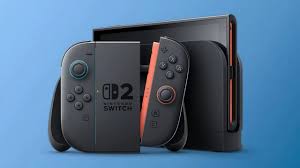
Nintendo is reportedly cutting Switch 2 production by more than 30 percent because of weaker-than-expected sales in the United States. Production was reportedly reduced from 6 million units to 4 million units, even though the console has already sold around 17 million units globally.
This creates an interesting picture. Globally, Switch 2 may still be performing strongly, but Nintendo appears concerned about its US momentum. The US market is crucial for console hardware, software sales, accessories, and long-term ecosystem growth.
Several factors could be influencing demand, including pricing, launch lineup strength, economic pressure, competition from PC handhelds, and consumer interest in digital libraries. Even Nintendo, with its powerful first-party brands, must convince players that upgrading is worth the cost.
For gamers watching Switch 2 deals, Nintendo Switch games, gaming console deals, and digital game discounts, reduced production could affect availability, pricing strategy, and future bundles.
Sony Closes Dark Outlaw Games
Sony has reportedly closed Dark Outlaw Games, an internal PlayStation studio founded by former Call of Duty lead Jason Blundell. The closure has been described as a strategic adjustment, but it is still another disappointing example of a studio disappearing before it can properly establish itself.
This follows other recent PlayStation studio changes and closures, adding to concerns about Sony’s internal development strategy. Over the last few years, PlayStation has faced challenges around live-service projects, rising AAA development costs, and shifting market expectations.
Closing a studio so soon after its creation raises questions about planning, greenlighting, and long-term support. It also affects developers who joined expecting to build something new under the PlayStation banner.
French Studios Face Insolvency
Several French studios owned by Nacon, including Spiders, Kylotonn, and Cyanide, have reportedly filed for insolvency. These studios are connected to games such as GreedFall, racing titles, sports games, and other mid-budget projects.
This is another warning sign for the AA market. Mid-sized studios often create interesting games that sit between tiny indie projects and massive AAA releases. They can take creative risks while still offering polished production values. But they are also vulnerable to funding problems, publisher instability, and rising costs.
If more AA studios disappear, the market could become even more polarized between huge blockbusters and very small indie games. That would be bad for players who enjoy experimental but polished projects.
Nintendo Makes Digital Switch 2 Games More Appealing
Nintendo is also adjusting Switch 2 software pricing to make digital versions of Nintendo-published games cheaper than physical copies. The company said the change reflects the different costs associated with producing and distributing each format.
This is a major shift for a company that has long maintained strong physical game sales. Digital games are cheaper to distribute, easier to discount, and more convenient for players. However, physical games still matter for collectors, resale value, preservation, and players who prefer owning cartridges.
Lower digital pricing may encourage more players to buy directly through the eShop, strengthening Nintendo’s digital ecosystem. It may also help compensate for hardware concerns by making software purchases feel more attractive.
The Conversation Around “Girl Games” Still Matters
Another important discussion this week focused on the idea of “girl games” and how femininity has often been dismissed, minimized, or misunderstood in the gaming industry. The industry has long been shaped by marketing, education, and design assumptions that favor masculine-coded audiences.
This matters because games are for everyone, yet many genres, aesthetics, and player communities have historically been treated as less serious when associated with girls or women. Fashion games, life sims, cozy games, romance games, social games, and character-driven experiences are often undervalued despite having huge audiences and cultural influence.
As the market evolves, recognizing these audiences is not only fair — it is smart business. Some of the most successful modern games are built around creativity, identity, social play, customization, and emotional connection.
What This Week Says About Gaming in 2026
This week captures the contradiction of the modern gaming industry. Epic Games can lay off more than 1,000 workers while operating one of the biggest games on Earth. Crimson Desert can sell millions of copies in days while other studios file for insolvency. Nintendo can sell millions of consoles globally while still reducing production because one major region underperforms.
Gaming is not failing, but parts of the industry are clearly broken. Revenue does not always protect jobs. Popular franchises do not always create stability. Acquisitions do not always lead to better outcomes. Workers are often the first to suffer when strategy changes.
Final Thoughts
The biggest story this week is not just that Epic Games laid off over 1,000 people. It is that mass layoffs have become too common in an industry that continues to generate enormous money. That should concern players, developers, investors, and studio leaders alike.
At the same time, the success of Crimson Desert, the growth of mobile gaming through the Moonton deal, and Nintendo’s digital pricing changes show that the industry is still evolving. There is opportunity, but it is not being shared evenly.
For readers following video game industry news 2026, Epic Games layoffs, Fortnite news, Switch 2 sales, Crimson Desert sales, PS5 games, Xbox Series X games, mobile gaming, cloud gaming, game subscription services, and video game deals, this week is another reminder that the future of games depends not only on what sells, but on how the people making those games are treated.