From Dante to Yarnam: Devil May Cry’s Creator Shares the Secret to a Perfect Bloodborne Movie.
Bloodborne Animation and Devil May Cry Season 2: Why Creator-Driven Video Game Adaptations Matter More Than Ever
Meta Description: Explore why creator-driven video game adaptations are becoming more important, from Netflix’s Devil May Cry Season 2 to Sony’s Bloodborne animated project, and why fans want authentic storytelling instead of corporate IP content.
Video game adaptations are no longer treated like risky experiments. After the success of animated and live-action projects based on major gaming franchises, Hollywood, streaming platforms, and production companies are paying closer attention to games as powerful storytelling worlds. But as more studios rush to adapt beloved titles, one question becomes more important than ever: should these projects be controlled by brand managers, or should they be led by creators who truly understand the source material?
That question has become especially relevant with two major names in gaming adaptation conversations: Devil May Cry and Bloodborne. Producer Adi Shankar, known for his work on animated video game adaptations such as Castlevania, Captain Laserhawk: A Blood Dragon Remix, and Netflix’s Devil May Cry, has openly discussed the difference between corporate IP management and creator-led adaptation. His view is simple but important: video game adaptations work best when they are handed to creatives with a strong vision.
That idea matters deeply for fans. A video game adaptation cannot survive on brand recognition alone. Viewers do not want a shallow version of a game they love. They want tone, atmosphere, character, world-building, and emotional identity. Whether the project is a stylish action anime like Devil May Cry or a gothic horror adaptation like Bloodborne, authenticity is what separates a memorable adaptation from forgettable content.
The Rise of Video Game Adaptations
For many years, video game adaptations had a poor reputation. Fans often expected them to miss the point, simplify the story, misunderstand the characters, or turn unique interactive experiences into generic action movies. That reputation has started to change. Modern adaptations are being taken more seriously because games are now recognized as rich narrative universes with passionate global fan bases.
Animation has become one of the strongest formats for these adaptations. Unlike live action, animation can capture exaggerated action, supernatural worlds, stylized violence, impossible monsters, and game-inspired visual language without feeling restricted by realism. That is one reason projects like Castlevania and Devil May Cry have attracted attention from both gamers and animation fans.
The challenge is that success creates pressure. Once major companies see games as valuable intellectual property, there is a risk that adaptations become too corporate. Instead of asking what makes a game special, studios may focus only on recognizable names, marketing potential, and franchise expansion.
Why Adi Shankar’s Approach Stands Out
Adi Shankar’s work stands out because his adaptations are not built to feel like safe promotional products. His projects often take familiar video game properties and reinterpret them through a strong creative lens. That does not mean ignoring the source material. It means finding the emotional and stylistic core of the game and building something that works in a new medium.
Captain Laserhawk is a clear example of this approach. Instead of presenting Ubisoft characters in a predictable crossover format, the show remixed the material into something stranger, sharper, and more creator-driven. That kind of risk may not please every fan, but it gives the adaptation identity.
Devil May Cry also benefits from this mindset. The game series is known for stylish combat, demonic mythology, attitude, family conflict, and over-the-top action. A strong adaptation cannot simply copy cutscenes from the games. It has to understand why Dante, Vergil, Lady, and the series’ chaotic tone matter to fans.
Devil May Cry Season 2 Goes Deeper Into Dante and Vergil
Netflix’s Devil May Cry adaptation has already introduced viewers to a new animated version of Dante’s world. With Season 2, the story is expected to dig deeper into the relationship between Dante and Vergil, two brothers shaped by tragedy, power, and opposing views of their heritage.
This is the heart of Devil May Cry. The series may be famous for swords, guns, demons, and stylish action, but its emotional core is family. Dante and Vergil are not just rivals. They are two responses to the same trauma. One hides pain behind humor and rebellion. The other seeks control, power, and distance from weakness.
That contrast gives an animated series strong dramatic material. Action scenes can bring the spectacle, but the conflict between the brothers gives the story meaning. If Season 2 successfully balances stylish combat with emotional depth, it can become more than a cool adaptation. It can become a strong character-driven dark fantasy series.
Why Bloodborne Is a Difficult Adaptation
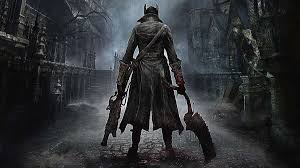
The announced Bloodborne animated project is exciting, but it also comes with major challenges. Bloodborne is not a simple story-driven game with straightforward dialogue and conventional characters. It is a gothic horror experience built around atmosphere, mystery, cosmic dread, environmental storytelling, and player interpretation.
That makes it difficult to adapt. The game’s power comes from uncertainty. Players explore Yharnam without being handed every answer. Lore is hidden in item descriptions, architecture, enemy design, and cryptic encounters. The horror grows because players slowly realize that the nightmare is much larger than they first understood.
A weak adaptation could easily explain too much, flatten the mystery, or turn the story into a generic monster-hunting plot. A strong adaptation must preserve the feeling of discovery, fear, and cosmic confusion that made the game unforgettable.
Why Jacksepticeye’s Involvement Matters
One of the most interesting details about the Bloodborne project is the involvement of Seán “Jacksepticeye” McLoughlin as a producer. As a well-known creator and longtime fan of Bloodborne, his involvement signals that the project may be trying to connect with people who genuinely understand why the game matters.
That is a positive sign. Fans want people behind the adaptation who care about the source material. They want someone who understands the tone, the lore, the dread, the beauty, and the frustration of Bloodborne. A producer with real passion can help protect the project from becoming a hollow brand extension.
However, passion alone is not enough. The real question is how much creative control he will actually have. There is a difference between attaching a familiar internet personality for marketing and giving that person meaningful influence over the project’s direction. If his role is genuine and supported by the production team, it could help the adaptation feel more authentic.
The Danger of Corporate IP Thinking
The biggest risk facing modern video game adaptations is corporate overmanagement. Many beloved games were created by small teams or visionary developers, only to later become assets owned by large companies. When a franchise moves through layers of corporate decision-making, its original personality can become diluted.
This is especially dangerous for games with strong artistic identity. Bloodborne, Devil May Cry, and Castlevania are not just names. They have tone, rhythm, visual language, and emotional atmosphere. Treating them like interchangeable IP can destroy what makes them valuable.
Great adaptations need creative leadership. They need writers, directors, producers, animators, and designers who understand the material and are allowed to make bold choices. Playing it safe may protect a brand, but it rarely creates memorable art.
Why Adult Animation Fits These Worlds
Adult animation is one of the best formats for adapting darker video games. It allows creators to explore violence, horror, mythology, emotional trauma, surreal imagery, and mature themes without being limited by live-action production costs or mainstream family-friendly expectations.
Bloodborne especially needs this freedom. Its world is grotesque, tragic, religious, medical, cosmic, and terrifying. A sanitized version would miss the point. If the animation team embraces the game’s body horror, gothic architecture, beast transformations, and cosmic nightmare imagery, the project could become one of the most distinctive video game adaptations yet.
Devil May Cry also benefits from animation because Dante’s world is built on impossible action. Sword fights, demonic transformations, acrobatic gunplay, and exaggerated style all feel natural in animation. The format gives the series room to be as wild as the games demand.
What Fans Want From Game Adaptations
Fans do not need adaptations to copy every detail. In fact, direct copying often fails because games and shows work differently. What fans want is respect for the core identity of the source material.
For Devil May Cry, that means style, attitude, action, family drama, and demonic chaos. For Bloodborne, it means gothic horror, mystery, dread, tragedy, and the terrifying feeling of uncovering truths that should have stayed buried.
If creators understand those foundations, they can make changes that still feel faithful. If they do not, even accurate costumes and familiar names will not save the adaptation.
Final Thoughts
The future of video game adaptations looks bigger than ever, but bigger does not automatically mean better. As more companies look at games as valuable entertainment brands, the best projects will be the ones that protect creative vision.
Devil May Cry shows how a game adaptation can work when it embraces style, action, and character-driven storytelling. Bloodborne has the potential to become a powerful animated horror project, but only if it is guided by people who understand the game’s mystery and darkness.
Adi Shankar’s advice is simple and worth remembering: give these adaptations to creatives. Video games are not just content libraries waiting to be mined. They are worlds built from atmosphere, mechanics, characters, music, and player memory. To adapt them well, studios need more than permission to use the name. They need vision.
- SEO Keywords: Bloodborne animation, Bloodborne movie adaptation, Devil May Cry Season 2, Netflix Devil May Cry, Adi Shankar, video game adaptations, adult animation, PlayStation Productions, Jacksepticeye Bloodborne, best video game anime, game adaptations 2026, FromSoftware Bloodborne, creator-driven adaptations