With Switch 2 on the Horizon, Nintendo is Ready to Monopolize the Cozy Gaming Market.
Why Tomodachi Life: Living the Dream Is Becoming the Life-Sim Game Players Needed in 2026
For years, Nintendo’s Miis were often viewed as strange little avatars that existed mostly for party games and console menus. Some players loved them, while others found them slightly unsettling. But in 2026, Tomodachi Life: Living the Dream has completely changed that perception.
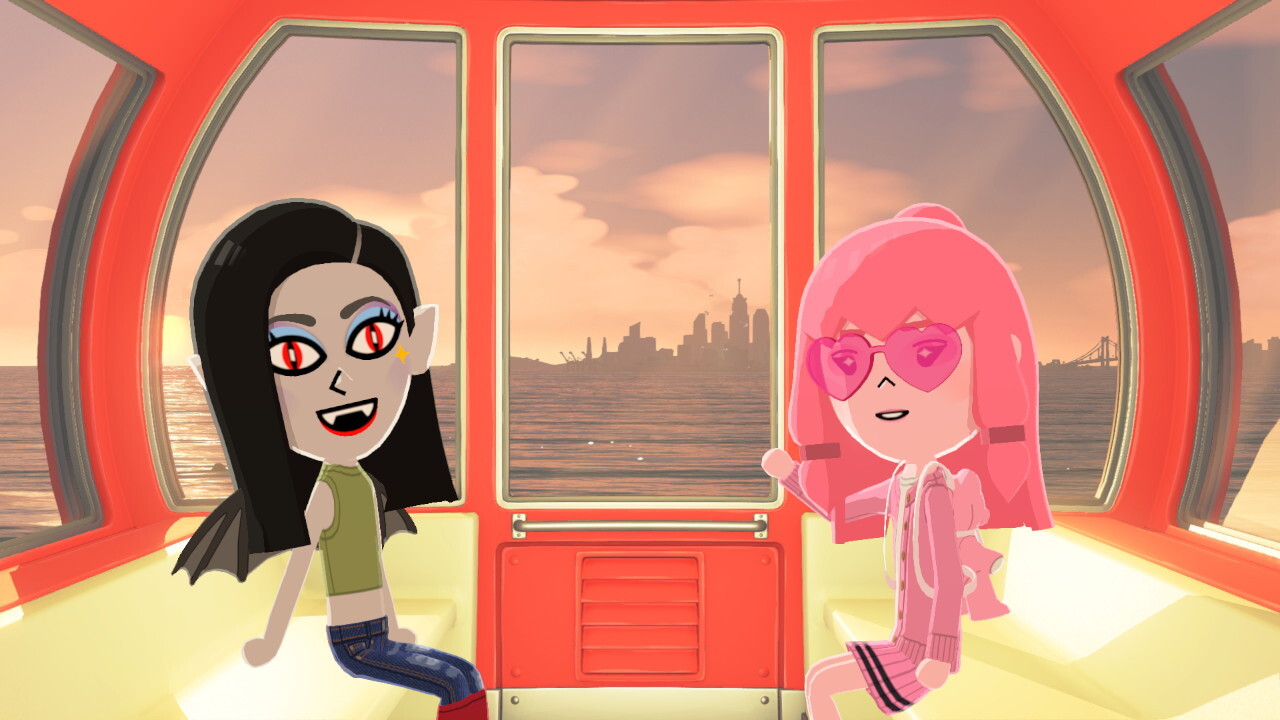
What initially looked like another quirky Nintendo experiment has quietly become one of the most addictive and surprisingly emotional life simulation games of the year. Thanks to deeper customization, believable social behavior, and charming personality systems, Tomodachi Life feels more alive than many modern life-sim competitors.
At a time when players are increasingly frustrated with buggy releases, expensive DLC packs, and microtransaction-heavy games, Nintendo has delivered something refreshingly simple: a polished, creative sandbox filled with personality and charm.

Miis Finally Feel Alive
The biggest reason Tomodachi Life: Living the Dream stands out is how expressive the Miis have become. In previous Nintendo games, Miis mostly existed as static avatars with limited personality. Here, they behave more like actual characters with emotions, routines, friendships, crushes, and personal preferences.
Every Mii feels unique. Some are shy, some are loud, some are messy, and others are surprisingly dramatic. Instead of simply telling players about their emotions through menus or icons, the game visually shows personality through animations, reactions, and interactions.
This makes even simple moments feel memorable. A Mii might panic after being startled, argue with another resident, obsess over a favorite food, or spend the evening wandering around the island instead of sleeping. These little details create a stronger emotional connection than many larger life-simulation games currently offer.
Customization Is Better Than Ever
One of the game’s strongest features is its massive customization system. Players now have access to significantly more appearance options than older Nintendo games ever allowed.
Hair styles, eye colors, skin tones, makeup, and clothing options have expanded dramatically. The game includes dozens of advanced tools that allow players to create nearly any character imaginable—from anime-inspired designs to realistic celebrity recreations.
The color system is especially impressive. Instead of being limited to basic presets, players can freely adjust shades, saturation, and highlights to create unique looks. This level of creative freedom helps Miis feel far more personal and expressive.
For creative players, the customization tools alone provide endless entertainment. Entire communities are already sharing detailed Mii designs online, turning the game into one of Nintendo’s biggest social sandbox experiences in years.
The Palette House Changes Everything
The introduction of the Palette House is one of the smartest additions in the entire game. This feature allows players to fully customize furniture, wallpaper, food, toys, clothing, and even decorative objects placed around the island.
It feels like Nintendo combined the creativity of Animal Crossing with the personality-driven gameplay of classic Tomodachi Life. The result is a system that encourages creativity without becoming overly complicated.
Players can spend hours designing themed homes, creating custom outfits, or making ridiculous food combinations for their Miis. The system is flexible enough for casual players while still offering deep customization for more dedicated creators.
Why Tomodachi Life Feels More Natural Than The Sims 4
One reason Tomodachi Life has become such a surprise hit is because many players compare it favorably to The Sims 4. While the two games are very different, Nintendo’s approach to personality simulation feels more organic in several important ways.
In many life-sim games, emotions are mostly communicated through menus, stats, or mood icons. Tomodachi Life instead focuses on visible behavior. Miis physically react to situations around them, making their emotions easier to understand without relying heavily on interface elements.
If a Mii becomes frightened, excited, embarrassed, or angry, players immediately see it through exaggerated animations and social interactions. This creates the illusion that Miis have their own thoughts and personalities rather than simply reacting to hidden numerical systems.
Autonomous behavior is another major strength. Miis constantly interact with one another without player input. They form friendships, start arguments, fall in love, and develop routines naturally throughout the day.
This makes the island feel active even when the player is doing nothing at all.
Relationships Feel Surprisingly Emotional
Despite its cartoonish style, Tomodachi Life delivers surprisingly emotional relationship systems. Friendships evolve slowly over time, romances feel meaningful, and family moments carry more emotional weight than players might expect.
Unlike many simulation games where relationships progress rapidly, Tomodachi Life encourages players to invest time in their Miis. Watching two characters slowly become friends, begin dating, and eventually start a family feels rewarding because it unfolds naturally.
Small interactions also make the world feel believable. Miis gossip, exchange gifts, ask for advice, and occasionally create unexpected drama. These moments generate stories that feel personal to each player’s island.
A Polished Experience Without Endless DLC
Another reason players are embracing Tomodachi Life is because the game feels complete at launch. In an era where many major simulation games rely heavily on paid expansions and cosmetic microtransactions, Nintendo’s approach feels refreshing.
The game launches with a large amount of content, stable performance, and surprisingly few technical problems. Instead of pushing players toward expensive add-ons, the focus remains on creativity and gameplay.
This has resonated strongly with fans frustrated by modern gaming trends. Many players simply want a polished life-sim game that respects their time and money, and Tomodachi Life succeeds by keeping things fun and accessible.
Why Nintendo’s Approach Works
Nintendo understands something many modern life-sim developers sometimes overlook: players care more about personality and charm than pure realism.
Tomodachi Life doesn’t try to simulate every detail of human existence. Instead, it focuses on making interactions entertaining, memorable, and emotionally engaging. The exaggerated animations, silly conversations, and quirky situations help the game feel warm and approachable.
This design philosophy is similar to what made older life-sim games so beloved in the first place. Rather than overwhelming players with systems and monetization, Tomodachi Life keeps the experience playful and creative.
Could Tomodachi Life Challenge The Sims?
Tomodachi Life: Living the Dream may not completely replace traditional life-simulation games, but it has proven there’s massive demand for more personality-driven experiences.
Players don’t necessarily need hyper-realistic graphics or endless expansion packs. They want characters that feel alive, memorable interactions, and creative freedom without technical frustration.
That’s exactly what Nintendo has delivered here.
As life-simulation games continue evolving, Tomodachi Life may influence how future developers design AI behavior, social systems, and character interactions. Its success shows that charm, polish, and creativity still matter in modern gaming.
Final Thoughts
Tomodachi Life: Living the Dream is one of 2026’s biggest surprises. What could have easily been dismissed as another quirky Nintendo side project has become one of the most charming and addictive life-sim games in years.
Its deeper customization, expressive personalities, autonomous social behavior, and polished gameplay make it stand out in a crowded genre. More importantly, it reminds players why life-simulation games became popular in the first place: not because of realism, but because of emotional connection and creativity.
Whether you’re designing bizarre custom Miis, watching relationships unfold naturally, or simply relaxing while your island residents create chaos around you, Tomodachi Life offers something many modern games struggle to provide—a world that genuinely feels alive.
Keywords: Tomodachi Life Living the Dream review, best life simulation games 2026, Nintendo Switch life sim, Tomodachi Life customization, Sims 4 alternative, cozy Nintendo games, best simulation games, Mii character creator, Nintendo life simulator, relaxing games 2026, social simulation game, family-friendly sandbox games