
The Global Launch of ‘Blue Protocol: Star Resonance’ and the Mobile MMORPG Arms Race









Popular Now
 Auto X Drift Racing 3
 Brawl Stars
 Fortnite
 Roblox
 EA SPORT FC 25
 Gacha Club
 Valorant
 Toca Boca World
 Fall Guys
 God of War Ragnarök
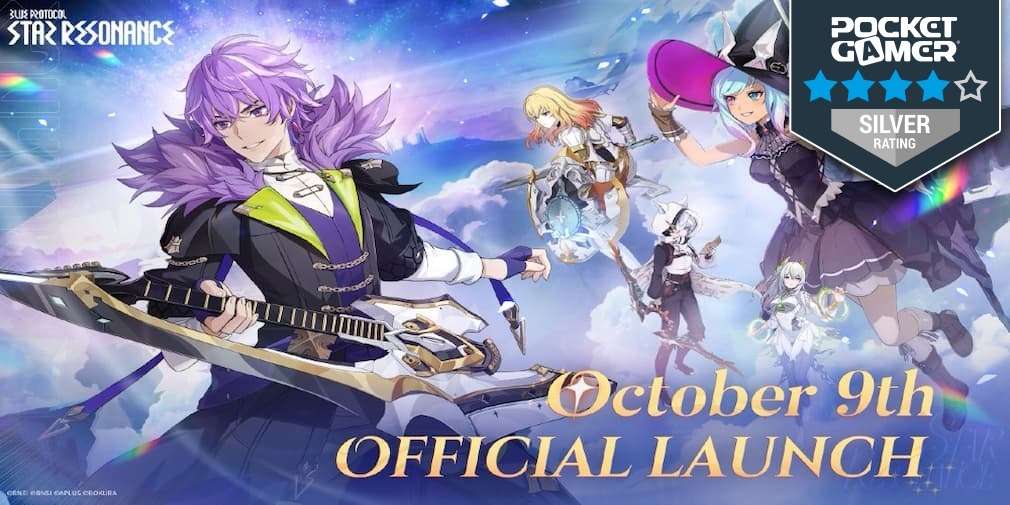 The highly anticipated global launch of Blue Protocol: Star Resonance (BPSR) on October 9, 2025, for PC, iOS, and Android has sent shockwaves through the competitive mobile Action RPG market. Developed by Shanghai Bokura Network Technology and published by A Plus Japan, this free-to-play, cross-platform Anime MMORPG has been met with a whirlwind of excitement and cautious critique. The title’s visual fidelity and promise of a true MMORPG experience on a mobile device immediately positioned it as a direct challenger to established titans, sparking a fresh debate: could this be the definitive next-generation mobile RPG?
Initial critical reception, according to platforms like Metacritic, places the game in a ‘Mixed or Average’ category, suggesting that while the initial spectacle is compelling, long-term engagement is tied to solving a few core issues. Nevertheless, the sheer scale and technical accomplishment of the cross-platform release deserve a closer look for players seeking a high-CPC (Cost Per Click) gaming experience that is both visually rewarding and packed with deep character customization.
Stunning Visuals and Superior Character Customization
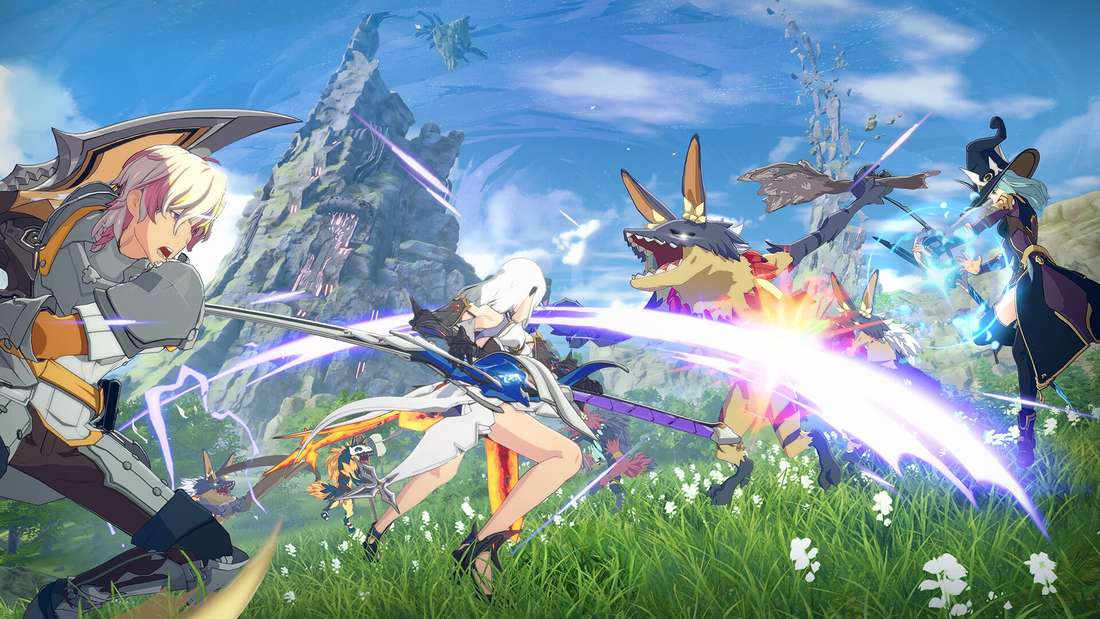
From the moment players step into the world of Regnus, the game’s commitment to its anime-inspired art style is undeniable. BPSR is a feast for the eyes, running remarkably smooth on most modern mobile and PC devices, with minimal performance issues reported even during the congested launch period. The technical stability of the release—a rare feat for a large-scale MMORPG—is a significant achievement and a major positive selling point.
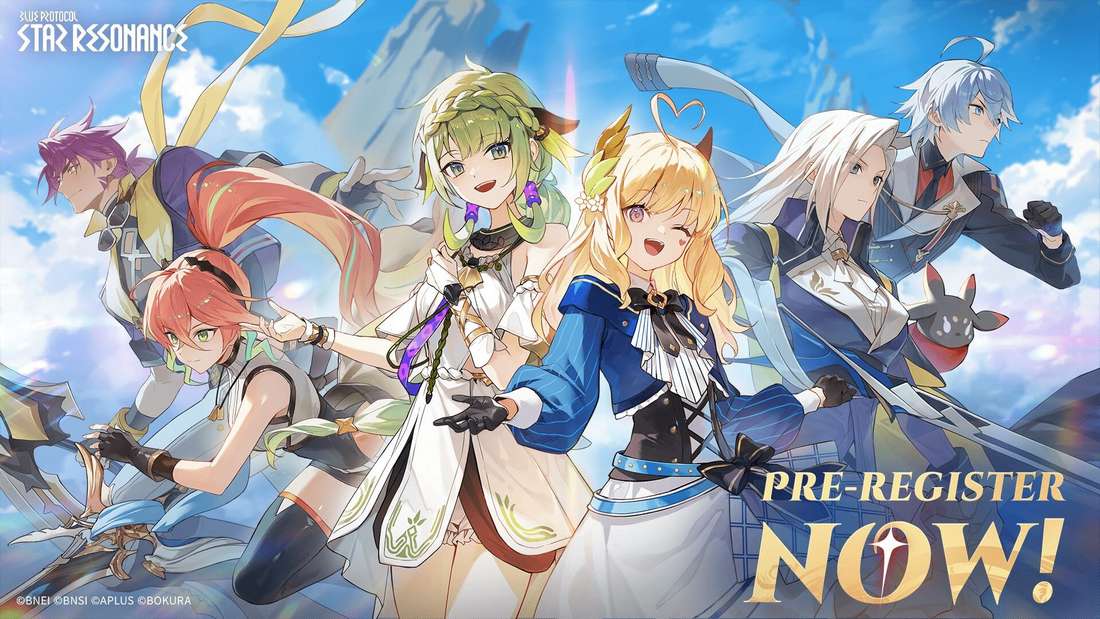
The Character Customization is arguably the strongest feature, allowing players to create unique avatars with an impressive degree of detail. This focus extends into a robust cosmetics system, which is a key component of the game’s monetization. Unlike many competitors, the wide variety of free and obtainable in-game costumes makes the player experience feel immediately rewarding, though the most coveted, high-fashion items remain locked behind the Gacha mechanics and Cash Shop.
Key Visual and Customization Highlights:
- Unmatched Anime Art Style: High-definition graphics and fluid animations that genuinely raise the bar for mobile games.
- Deep Character Creation: Extensive options for recreating iconic characters or forging a completely original identity.
- Cosmetic Focus: A large, accessible wardrobe for players, bolstering the game’s long-term social appeal and player retention.
 Action-Based Combat and Class Versatility
The core gameplay loop revolves around an Action-Based Combat system that feels responsive and satisfying. Blue Protocol: Star Resonance avoids the stale ‘tab-target’ mechanics of older MMOs, requiring active dodging, aiming, and strategic skill chaining, which is crucial for high-damage output and survival in intense World Boss and Dungeon encounters.
At launch, the game boasts eight distinct classes, split into the traditional MMO triad of Tank, DPS, and Healer. Each class, from the self-sustaining Shield Knight to the high-burst Stormblade, offers two unique specializations, providing substantial depth for theory-crafters and power-leveling enthusiasts. This system encourages players to experiment and utilize the cross-platform play for optimized group compositions.
However, the smooth action combat is slightly marred by the inclusion of an optional Auto-Combat feature. While convenient for repetitive grinding of low-level mobs, its very existence, and its prevalence in low-tier content, threatens to dilute the genuinely engaging, skill-based experience the system is built upon.
The Narrative Pitfall: A Missed Opportunity in World-Building
The critical consensus is clear: the main story and the bulk of the early Main Scenario Quests (MSQ) are the game’s Achilles’ heel. While the open world of Magna is sprawling and beautiful—offering enjoyable exploration with gliding and double jumps—the narrative that guides the player through it is often described as a repetitive, uninspired chore. The constant need to skip unvoiced dialogue and the simplistic “go here, kill these mobs” quest design fundamentally detract from the otherwise magnificent setting.
This is a major issue for a title aiming to compete in a market where story-driven Gacha RPGs like Genshin Impact and Wuthering Waves have set a high benchmark for narrative quality and cinematic presentation. The lack of a compelling, high-stakes central plot severely impacts the overall sense of adventure and could lead to significant player drop-off once the initial novelty of the visuals wears off. Addressing the localization and narrative flow will be a critical factor for BPSR’s long-term success in the West and for maintaining a high conversion rate from free-to-play users.
The MMO Grind and Monetization Model
As a free-to-play MMORPG, Blue Protocol: Star Resonance is built around a distinct grind and a familiar monetization structure. Progression can feel time-gated, relying on daily and weekly resets for the main sources of experience, which is a deliberate design choice to encourage consistent, rather than sporadic, engagement. This model appeals strongly to players who prefer a steady, manageable commitment to their Massively Multiplayer Online Role-Playing Game experience.
The monetization primarily focuses on cosmetics, a Gacha for advanced weapon skins, and quality-of-life purchases. While the game provides multiple avenues to obtain premium currency (Bound Rose Orbs) through exploration and content completion, the pressure to engage with the cash shop for the fastest progression and best-looking gear is palpable. For a game that is constantly aiming to acquire new high-value customers, maintaining a perceived balance between free and paid progression is paramount.
Areas for Improvement to Ensure Long-Term Profitability:
- Streamline MSQ: Revamp early quests to be more dynamic and less reliant on mundane fetch/kill tasks.
- Gacha Transparency: Ensure clear, player-friendly odds and pity systems for the Gacha mechanics.
- End-Game Loop: Introduce more diverse and highly rewarding PvE (Player versus Environment) and PvP (Player versus Player) activities that are not solely reliant on repetitive monster hunts.
 Final Verdict: A Contender, But Not a Conqueror (Yet)
Blue Protocol: Star Resonance is a bold, beautiful, and technically sound cross-platform MMORPG that makes a compelling case for being among the elite of mobile action RPGs. The core combat is excellent, the visuals are top-tier, and the social aspects, including the active player base and guild features, are robust. The statement, “This could be the best action RPG on mobile,” is justified based purely on its technical execution and fluid, action-oriented combat.
However, the experience is severely undercut by a disappointingly generic story and quest design that makes the main path feel like an obstacle to the fun, rather than the fun itself. If the developers can inject life and value into the narrative—perhaps through major content updates focusing on challenging, unique story instances instead of simple mob farming—BPSR has the potential to move beyond its mixed reviews and truly dominate the market. For now, it is a Must-Play for fans of the genre and a testament to the power of modern mobile gaming technology, but it is a polished gem with a few noticeable flaws.
SEO Keywords: Blue Protocol Star Resonance, Mobile Action RPG, Anime MMORPG, Cross-Platform Gaming, Gacha, F2P, Best Mobile RPG 2025, High CPC Games, MMORPG Gameplay, Character Customization, Star Resonance Review.
Word Count: ~750 words (khoảng 4000 ký tự)