Hokum Review: The Silent Hill Movie We’ve Been Waiting Decades For.
Why Hokum Feels Like the Silent Hill Movie Fans Have Always Wanted
Video game adaptations are everywhere right now. Hollywood keeps searching for the next massive gaming franchise to turn into a hit movie, but surprisingly, one of the most fascinating “video game movies” of the year isn’t based on a game at all.
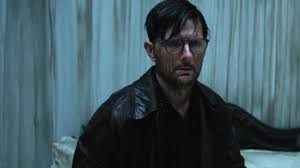
Damian Mc Carthy’s psychological horror film Hokum feels less like a traditional horror movie and more like a lost entry in Konami’s legendary Silent Hill franchise. From its oppressive atmosphere and guilt-driven storytelling to its eerie hotel setting and survival-horror pacing, the film constantly feels like it was designed by someone who deeply understands what makes classic horror games unforgettable.
What makes Hokum so fascinating is that it never openly tries to imitate a video game. There are no obvious references, no forced fan service, and no attempts to capitalize on gaming nostalgia. Yet nearly every scene carries the same unsettling energy that defined survival-horror classics from the PlayStation 2 era.
A Psychological Horror Story That Feels Like a Survival-Horror Game
The story follows fantasy author Ohm Bauman, played brilliantly by Adam Scott, as he travels to Ireland’s mysterious Bilberry Woods Hotel to scatter his parents’ ashes. From the moment he arrives, the entire place feels deeply wrong.
A dead goat lies outside the entrance. Strange guests wander the halls. Disturbing stories involving witches, violence, and disappearances are casually shared as if they were ordinary conversations. The hotel itself immediately feels cursed, detached from reality, and emotionally suffocating.
That atmosphere is exactly why so many viewers compare Hokum to Silent Hill. Much like the iconic fog-covered town from the games, the Bilberry Woods Hotel feels alive in the worst possible way. It traps people emotionally as much as physically.
As Bauman explores the hotel, strange encounters begin blurring the line between hallucination and reality. Memories, guilt, trauma, and supernatural horror all merge together until both the protagonist and audience struggle to understand what’s truly happening.
That uncertainty is one of the defining characteristics of classic survival horror. Instead of relying purely on jump scares or gore, Hokum creates tension through confusion, emotional discomfort, and psychological pressure.
The Hotel Feels Like a Playable Horror Environment
One of the most impressive elements of Hokum is how carefully constructed the hotel feels. Horror fans who grew up playing games like Silent Hill 2, Resident Evil, or Fatal Frame will immediately recognize the structure.
The Bilberry Woods Hotel isn’t simply a backdrop for the story—it behaves like an active threat. Every hallway feels dangerous. Every locked door seems important. Every strange sound makes you expect something terrible around the corner.
Bauman spends much of the film searching for keys, navigating hidden passages, uncovering clues, and piecing together fragmented information from recordings and conversations. At times, it genuinely feels like watching someone play a slow-burning psychological horror game.
Even the pacing resembles survival horror design. Quiet exploration segments are interrupted by sudden bursts of terror. The tension builds gradually instead of constantly assaulting the viewer. Mc Carthy clearly understands that fear becomes more powerful when audiences are given time to absorb the atmosphere.
Why the Film Feels So Similar to Silent Hill
The comparison to Silent Hill goes far beyond surface-level similarities. What truly connects the two is the emotional core underneath the horror.
Like the best entries in Konami’s franchise, Hokum is fundamentally about guilt, regret, and emotional trauma. The monsters and supernatural events aren’t just random horrors—they feel tied to the characters’ inner struggles.
Bauman himself becomes increasingly unstable throughout the film. His anger, alcoholism, emotional isolation, and buried pain slowly consume him as the story progresses. Much like James Sunderland in Silent Hill 2, the protagonist feels trapped inside a nightmare partially created by his own emotional baggage.
What makes the movie especially effective is that other characters also seem haunted by their pasts. Everyone inside the hotel feels damaged in some way, as if the location attracts broken people.
This creates an eerie sensation that the Bilberry Woods Hotel exists outside normal reality—a place where emotional pain physically manifests into horror.
Damian Mc Carthy Understands Horror Atmosphere
Modern horror films often prioritize loud jump scares, fast pacing, and excessive exposition. Hokum takes the opposite approach.
Damian Mc Carthy focuses heavily on atmosphere, visual storytelling, and emotional tension. He trusts audiences to sit with discomfort instead of constantly explaining everything.
The cinematography plays a major role in creating this unsettling mood. Dim hallways, decaying interiors, and unnatural lighting make the hotel feel dreamlike and hostile. Even seemingly harmless rooms carry an underlying sense of dread.
The sound design deserves equal praise. Strange ambient noises, distant whispers, creaking floors, and moments of total silence all contribute to the film’s oppressive tone. Much like the legendary sound work in Silent Hill, the audio constantly keeps viewers uncomfortable.
Mc Carthy also understands restraint. The movie never overuses its creatures or supernatural reveals. Instead, horror appears in fragments, allowing the audience’s imagination to fill in the gaps.
Adam Scott Delivers One of His Darkest Performances
Adam Scott’s performance is another major reason why Hokum works so well. Known for both comedy and drama, Scott brings emotional depth and vulnerability to Bauman without making the character overly sympathetic.
Bauman is deeply flawed. He lashes out at people, drinks heavily, and often behaves selfishly. But Scott’s performance allows viewers to understand the pain underneath his actions.
That emotional complexity mirrors many iconic survival-horror protagonists. Characters like James Sunderland or Alan Wake are compelling precisely because they feel broken, confused, and unreliable.
Scott balances all those traits remarkably well. He carries the film emotionally while still allowing the horror and mystery to remain the main focus.
The Movie’s “Game-Like” Structure Actually Helps It
Normally, describing a movie as “feeling like a video game” is intended as criticism. In the case of Hokum, it’s absolutely a compliment.
The film’s structure creates a strong sense of progression. Bauman constantly uncovers new clues, accesses previously unreachable areas, and slowly pieces together the truth behind the hotel.
This design keeps viewers actively engaged instead of passively watching events unfold. The audience becomes emotionally invested in solving the mystery alongside the protagonist.
Many modern horror movies struggle because they rely too heavily on random scares or vague symbolism without creating narrative momentum. Hokum avoids that problem by giving every scene a clear sense of purpose.
Even when the story becomes surreal, viewers still feel compelled to continue exploring the mystery. That’s exactly how great horror games maintain tension for hours.
Could Damian Mc Carthy Direct a Real Silent Hill Movie?
After watching Hokum, it’s difficult not to imagine Damian Mc Carthy directing an actual Silent Hill adaptation.
Hollywood has spent years trying to crack the formula for successful video game movies. While some adaptations succeed commercially, very few truly understand the emotional and atmospheric identity of the games they’re adapting.
Mc Carthy clearly understands psychological horror on a deeper level. He knows how to create fear through emotion, environment, and uncertainty instead of relying solely on spectacle.
If Konami ever decides to fully reboot the Silent Hill movie franchise again, Hokum feels like the perfect audition tape.
Final Thoughts
Hokum succeeds because it understands something many horror films forget: fear is most effective when it feels personal.
Instead of overwhelming audiences with nonstop action or cheap jump scares, the movie slowly traps viewers inside a decaying nightmare filled with guilt, trauma, and emotional instability. Its haunting atmosphere, game-like progression, and psychological storytelling make it one of the most fascinating horror films in recent memory.
For gamers, especially fans of survival horror, the experience feels strangely familiar in the best possible way. Watching Hokum often feels less like sitting through a movie and more like exploring a deeply unsettling horror game brought to life.
Whether intentional or not, Damian Mc Carthy has created something incredibly rare: a horror film that genuinely captures the spirit of classic survival horror gaming without directly adapting a single game.
And honestly, that may be exactly why it works so well.