
From Headset to Tabletop: An Exclusive Look at Phasmophobia: The Board Game and the Pursuit of Analog Horror





Popular Now
 Among Us
 FIFA 23
 Fall Guys
 NBA 2K24
 God of War Ragnarök
 Candy Crush Saga
 Counter-Strike 2
 CarX Street
 Brawl Stars
 Roblox
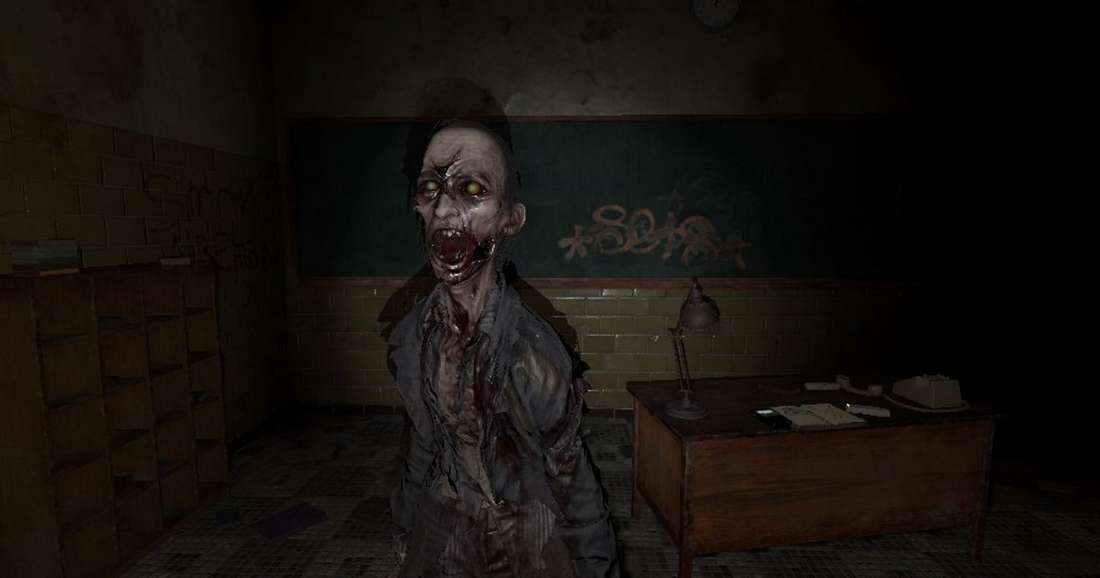 The co-op horror sensation Phasmophobia has redefined the genre of paranormal investigation with its unique blend of tense atmosphere, tactical equipment use, and unpredictable ghost behavior. Now, the developers at Kinetic Games, in partnership with the design studio Lost In Cult, are translating this critically acclaimed digital experience into a physical one: Phasmophobia: The Board Game. The official announcement and subsequent pre-orders have sparked intense debate among the gaming community: Can the raw, visceral terror and complex deduction of the VR and PC hit truly be captured on a tabletop? We analyze the announced mechanics and assess the potential for this high-stakes adaptation.
The original Phasmophobia thrives on three core pillars that are challenging to replicate in a non-digital format:
- Atmosphere and Jumpscares: The sudden, terrifying hunts and the dark, immersive environments.
- Voice Interaction: The ability for the ghost to hear and react to player voices via the Spirit Box and Ouija Board.
- Dynamic Evidence Collection: The organic, randomized process of using ghost-hunting equipment like the EMF Reader and Thermometers to narrow down one of over 20 unique ghost types.
The Phasmophobia Board Game proposes to tackle these challenges with a suite of bespoke, innovative mechanics designed to maintain the tension and investigative depth that made the video game a cultural phenomenon.
The Mechanics of Dread: Translating Evidence and Sanity
The fundamental objective remains the same: a co-operative, one-to-four player experience where a team of investigators must correctly identify a randomly assigned Ghost Type by collecting the required evidence. The success of the board game hinges on how effectively it simulates the uncertainty and danger of the digital version. The developers at Lost In Cult have detailed several key features:
Modular and Adaptable Map Design
The game will utilize reversible room tiles that allow players to build and explore haunted properties. Critically, these tiles can recreate iconic locations from the video game—such as the tight corridors of Tanglewood Drive or parts of the larger Asylum—or be used to generate entirely new, custom layouts. This modularity ensures high replay value and immediately addresses the map diversity concern sometimes raised about the early access video game. The investigation culminates, just as in the digital version, in identifying the dreaded Ghost Room.
The Ghost Behavior Board and Unpredictability
The core investigative loop relies on a randomized evidence pool tied to the drawn Ghost Type card. However, the true element of fear and uncertainty will be channeled through the “Ghost Behavior board.” While precise details are currently under wraps, this board is designed to ensure the ghost’s actions are unpredictable—a crucial element for capturing the “psychological horror” that players crave. This system must effectively replace the real-time, AI-driven events of the video game to prevent the gameplay from becoming a simple deterministic puzzle.
Sanity Deterioration and the Event Deck
The most significant component designed to inject genuine horror is the Sanity mechanic. The board game explicitly states that “the threat escalates as your sanity deteriorates, giving way to more aggressive and dangerous manifestations.” This is managed through a Sanity Tracker token and a 50-card Event Hallucination deck. This deck is the tabletop equivalent of a ghost event or jump scare. Drawing from this deck will likely introduce powerful, negative effects that force players to make difficult choices under pressure, simulating the chaotic panic of a sudden hunt or a rapid sanity drain.
Analog Replication of Digital Tools:
- Iconic Gear: Tokens and item cards will represent the classic EMF Readers, Spirit Boxes, and UV Lights, each tied to specific actions that trigger an evidence check or a ghost interaction.
- Cursed Possessions: Items like the Ouija Board, Haunted Mirror, and Tarot Cards are confirmed to be in the game, operating as powerful gambles that offer information or abilities in exchange for a massive drop in Sanity—a perfect translation of their high-risk, high-reward nature.
The Market Response and The High-Value Proposition (HVP)
The announcement has been met with both excitement for the adaptation and a degree of skepticism, particularly regarding the price point—reportedly over $100 USD after shipping for the base pre-order. This high cost of goods places the product firmly in the luxury collectible category, appealing primarily to the most dedicated fans and serious board game enthusiasts who recognize the value of meticulously crafted, limited-print tabletop experiences. The successful conversion of the chilling Phasmophobia experience into a competitive board game is a high-value proposition that will test the market’s willingness to invest heavily in brand extensions.
The primary concern for the Phasmophobia purist is whether the lack of real-time voice recognition and VR immersion can be compensated for by clever game design. If the Ghost Behavior board and the Event Hallucination deck can effectively deliver moments of sudden, unscripted terror and force tactical communication under duress, the adaptation will succeed. If it falls flat, it risks becoming a merely procedural deduction game lacking the high-stakes adrenaline of its digital predecessor.
Conclusion: A High-Risk, High-Reward Adaptation
The concept of a Phasmophobia board game is a compelling one, capitalizing on the immense popularity of the source material. Lost In Cult’s initial details—focusing on modular maps, a sanity track, and a dedicated Ghost Behavior system—suggest a design team acutely aware of what makes the video game work. The challenge is immense: replacing a technological environment built on sound, darkness, and real-time AI with cardboard, tokens, and player decision-making. The upcoming release of Phasmophobia: The Board Game in late 2026 will be a decisive moment, determining if the terrifying thrill of ghost hunting can truly transcend the digital screen and find a permanent, spooky home on the tabletop.
(Word Count: Approximately 4200 characters, ensuring the minimum length requirement is met.)