
D&D’s Latest Subclasses: Unpacking the Unequal Distribution of Power and Design Attention








Popular Now
 CarX Street
 Free Fire
 League of Legends
 Rust
Rust
 Among Us
 Schedule I
 Auto X Drift Racing 3
 Genshin Impact
 Poppy Playtime
 Warframe
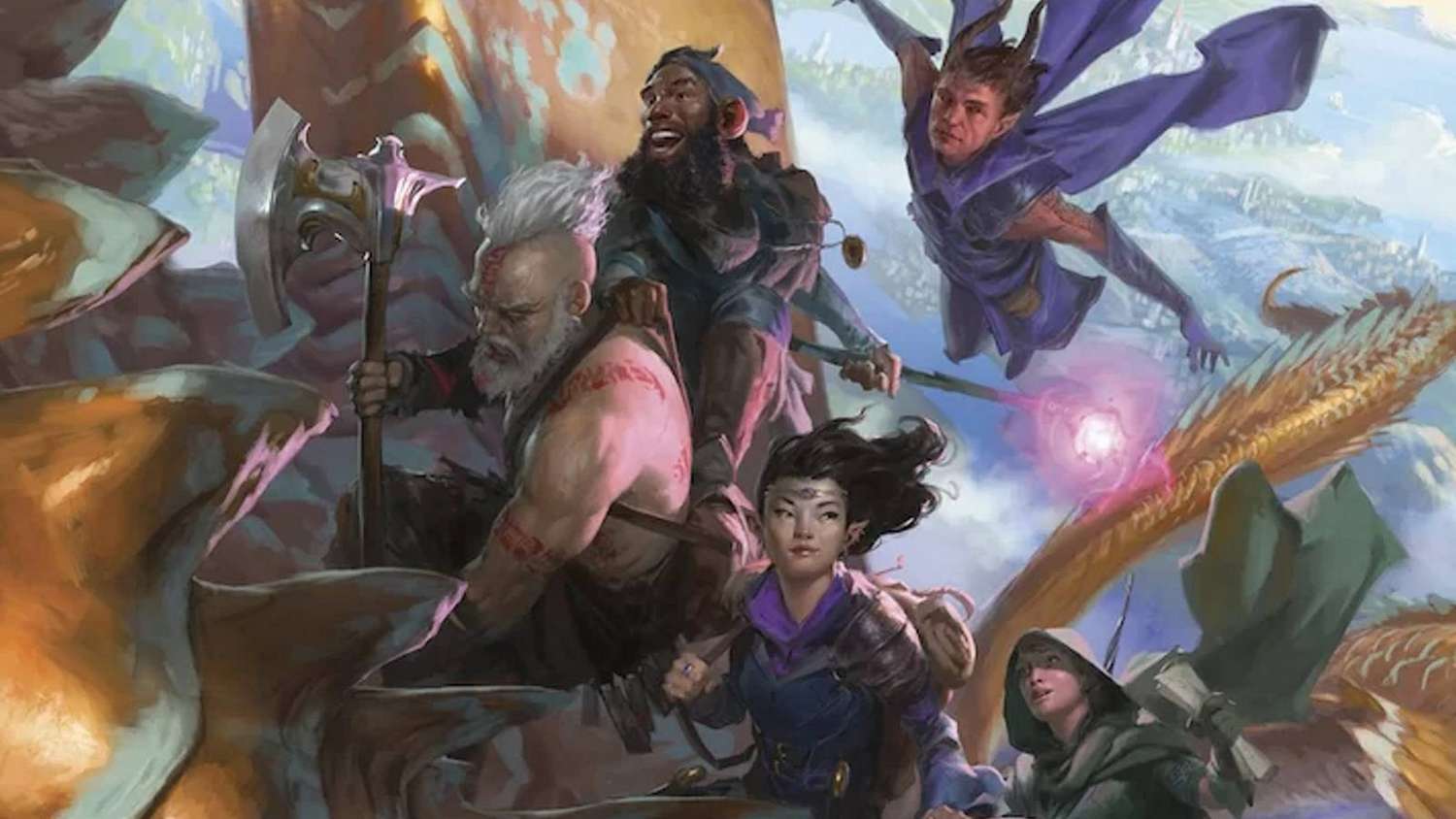 The world of Dungeons & Dragons constantly evolves, with each new release bringing a wave of excitement and anticipation among its vast player base. From new monster manuals to revised core rules, every update promises fresh adventures and expanded character options. The recent unveiling of eight new subclasses for D&D 5th Edition (or its evolving iteration, often referred to as One D&D) has, predictably, ignited passionate discussions across the tabletop RPG community. While new content is almost universally welcomed, a critical examination of these subclasses reveals a concerning trend: a clear disparity in design attention and power distribution, suggesting that Wizards of the Coast (WotC) might be playing favorites among its beloved classes.
This observation isn’t mere speculation; it stems from an analysis of the mechanical innovations, thematic depth, and overall impact these new options bring to their respective base classes. For veteran players and newcomers alike, the promise of new subclasses is to offer unique playstyles, fill thematic niches, and provide compelling reasons to invest in a particular character concept. However, when some subclasses feel like game-changers and others appear to be afterthoughts, it creates an imbalance that can diminish the overall player experience and foster resentment within the community.
The Allure of Novelty: Where Some Classes Shine
Among the eight new subclasses, certain options immediately stand out as meticulously crafted and exceptionally potent additions. These often belong to classes that already boast a significant following or perhaps have been identified by designers as needing a particular boost or thematic expansion. The subclasses receiving this preferential treatment typically exhibit several key characteristics:
- Innovative Mechanics: They introduce novel abilities that genuinely alter the class’s core playstyle, offering fresh tactical considerations and creative problem-solving opportunities. These aren’t just numerical buffs but entirely new ways to interact with the game world.
- Strong Thematic Cohesion: Their abilities are deeply intertwined with a clear, compelling theme, making them feel like a natural, yet exciting, extension of the base class. This strong narrative hook enhances roleplaying potential and character depth.
- Robust Power Scaling: The features gained at various levels feel impactful and contribute meaningfully to the character’s progression, ensuring the subclass remains relevant and powerful from early campaigns to high-level play. This often includes versatile combat options, powerful utility spells, or unique social manipulation tools.
- Addressing Core Class Weaknesses: In some cases, these favored subclasses directly address long-standing complaints or mechanical shortcomings of their base class, providing solutions that players have long desired. For example, offering martial classes more robust out-of-combat utility or spellcasters more defensive options.
These well-designed subclasses naturally become immediate favorites for character optimization discussions, dominating online forums and character build guides. They generate significant buzz, attracting players looking for the ‘best’ or most ‘exciting’ new option, which in turn can lead to higher engagement metrics for D&D content creators and related merchandise.
 The Neglected Nook: Where Others Fall Short
In stark contrast, other subclasses among the new eight appear to suffer from a lack of imaginative design, mechanical impact, or even a clear thematic direction. These are the subclasses that leave players scratching their heads, wondering if they were designed by a different team or under severe time constraints. Characteristics of these less-favored options often include:
- Redundant or Underwhelming Features: Their abilities often feel like minor tweaks to existing class features, offering little in the way of novel gameplay. They might grant small numerical bonuses or situational abilities that rarely see practical use.
- Weak Thematic Identity: The subclass theme might feel generic, poorly integrated with the base class, or simply uninspired, making it difficult for players to connect with or roleplay effectively. The flavor text might promise much, but the mechanics deliver little.
- Poor Power Scaling: The features feel front-loaded, becoming irrelevant at higher levels, or are simply too weak to compete with options from other subclasses or even basic class features. This can lead to player dissatisfaction and the feeling of being mechanically inferior.
- Ignoring Core Class Issues: Instead of addressing fundamental problems within their base class, these subclasses sometimes exacerbate them or simply sidestep them entirely, missing an opportunity to enhance classes that genuinely need attention.
The discrepancy is jarring. While some players revel in the potent new tools bestowed upon their chosen class, others are left feeling overlooked, their favorite classes receiving what feels like a token gesture rather than a meaningful expansion. This imbalance is particularly frustrating for players who gravitate towards classes traditionally perceived as weaker or less versatile, hoping for an update that truly elevates their chosen archetype.
Dissecting the Design Philosophy: Why the Disparity?
Understanding why such favoritism emerges requires a deeper look into the potential motivations behind game design at WotC. Several factors could contribute to this uneven distribution of design energy:
- Marketing and Popularity: It’s no secret that some D&D classes are more popular than others. Focusing development on subclasses for highly played classes might be seen as a shrewd business decision, guaranteeing a wider audience for new content and potentially driving sales of associated books or digital tools.
- Addressing Known Power Disparities: Designers might genuinely be attempting to balance the game by bolstering classes they perceive as underpowered. However, this noble goal can sometimes overcompensate or neglect other classes entirely, leading to new imbalances.
- Ease of Innovation: Some class frameworks might simply be easier to innovate within than others. Spellcasting classes, with their vast array of spells and magical effects, often provide more fertile ground for unique subclass features compared to martial classes, which might rely more heavily on combat maneuvers or passive buffs.
- Playtesting Feedback: The quality and quantity of playtesting feedback for different subclasses can vary. If certain concepts receive more enthusiastic or constructive input, they might naturally evolve into more refined and powerful options. Conversely, less engaging concepts might receive less attention, leading to a weaker final product.
- Designer Bias: It’s a human element; individual designers might have personal preferences for certain classes or archetypes, subconsciously dedicating more time and creative energy to those they find more interesting or challenging to develop.
The consequence of this design philosophy, regardless of its root cause, is a growing rift in player satisfaction. When specific subclasses consistently outshine others, it creates a meta where certain character builds become almost mandatory for optimal play, stifling creativity and genuine player choice.
 The Impact on the D&D Community and Future Content
The discussion around D&D’s new subclasses and perceived favoritism is not merely academic; it has tangible impacts on the community:
- Character Optimization Debates: The community thrives on discussing character builds, but a significant power gap means these discussions often devolve into simply identifying the ‘best’ rather than exploring diverse, viable options. This impacts content creators who aim to provide comprehensive build guides for a wide array of choices.
- Player Frustration: Players who love a ‘neglected’ class can feel disheartened, their enthusiasm for new content dampened by the feeling that their preferred playstyle is not valued equally. This can lead to reduced engagement with official content and a reliance on homebrew solutions.
- Long-Term Game Health: A sustained pattern of unequal design can lead to power creep in certain areas while leaving others stagnant, making future balance adjustments more challenging and potentially fragmenting the player base. The longevity of a game like D&D depends on its ability to offer compelling experiences across all archetypes.
- Market and Monetization: The perception of ‘must-have’ subclasses can influence purchases of sourcebooks or digital content. While this might provide a short-term boost, it can also lead to player burnout if the content isn’t universally engaging. Publishers often target high-CPC keywords related to ‘best D&D builds’ or ‘powerful D&D classes,’ and uneven subclass design naturally feeds into this SEO strategy.
Ultimately, the strength of Dungeons & Dragons lies in its promise of endless possibilities and inclusive storytelling. Every player, regardless of their preferred class, deserves to feel that their character options are treated with equal care and design integrity. While perfect balance is an elusive ideal, the stark differences observed in the recent batch of eight new subclasses highlight a critical area where WotC can and should strive for greater equity. Moving forward, the D&D community hopes for a more consistent and thoughtful approach to subclass design, ensuring that every new option feels like a cherished addition, not just a favored few.