
Battlefield 2042 Map Design: Re-evaluating the Scale and Flow of Combat Zones










Popular Now
 Call of Duty
 Genshin Impact
 Schedule I
 CarX Street
 Free Fire Max
 BeamNG.drive
 Minecraft
 Roblox
 Auto X Drift Racing 3
 Garena Free Fire: Kalahari
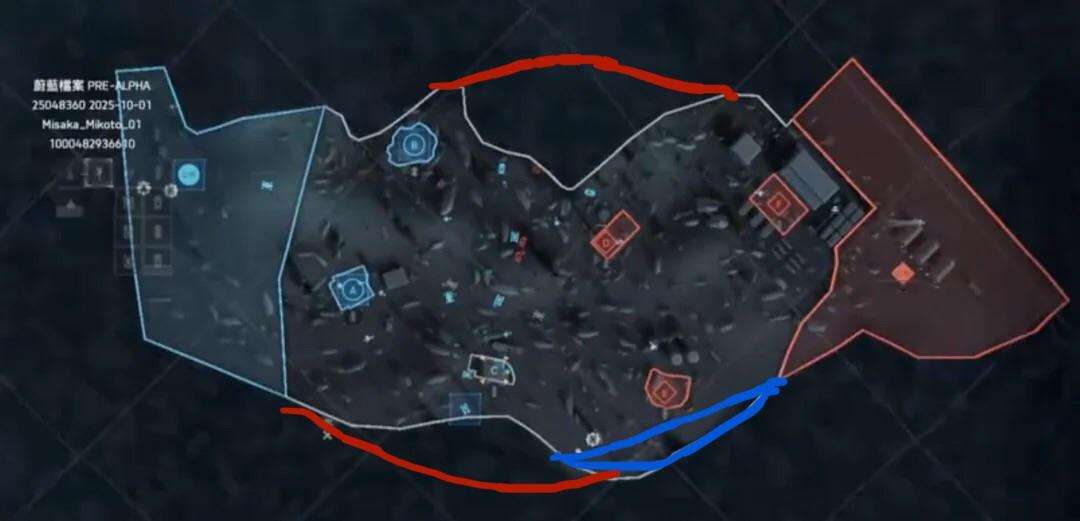 The launch maps of Battlefield 2042 faced significant community backlash centered on two core issues: excessive map scale and poor combat flow, particularly in the 128-player “All-Out Warfare” mode. Players widely criticized the large, open, and barren spaces that led to frustratingly long traversal times (the “walking simulator” complaint) and a lack of infantry cover, which frequently resulted in being picked off by long-range snipers or vehicular dominance. This systemic issue prompted DICE to commit to a major, ongoing map rework initiative to align the game closer to the expected Battlefield sandbox experience.
Core Map Design Problems and DICE’s Solutions
DICE identified five critical areas that needed to be addressed in the launch maps (e.g., Kaleidoscope, Renewal, Hourglass) to improve the gameplay experience, moving away from simply maximizing size and toward optimizing player density and tactical engagement. These changes are vital to retaining the core player base and improving the game’s long-term commercial viability.
- Traversal Time: The distance between base spawns and control flags was often too large.
- Solution: The rework involves moving base spawns and closest flags closer together to reduce the overall time spent traveling on foot, directly improving the flow of combat into and around key objectives.
- Lack of Cover and Line of Sight (LOS): Open, flat terrain created excessive sightlines, favoring snipers and vehicles.
- Solution: Adding substantial new cover (obstacles, containers, war-torn debris) and raising terrain in key areas to break up long LOS. This provides infantry with clearer, safer paths between objectives.
- Intensity and Chaos (128-Player Mode): Combat around objectives often became overwhelming and chaotic, frequently due to vehicle dominance.
- Solution: Reducing the number of active attack vehicles and helicopters in 128-player modes (e.g., from three to two per category). They also increased the cooldown for these powerful vehicles, mitigating their ability to endlessly “farm” infantry.
- Pathing and Objective Layout: Ambiguous routes led to players being exposed to fire from multiple angles.
- Solution: Revising objective (flag) placement and refining pathways to objectives to create more defined, defensible lanes of engagement. For example, on Kaleidoscope, new areas like a Forward Operating Base (FOB) were added to establish new, tighter command posts.
- Scale (Future Maps): Acknowledging that the original scale was not working, future maps are now being designed with smaller overall playspaces and a greater focus on infantry combat, a clear reversal of the original design philosophy that prioritized the 128-player novelty.
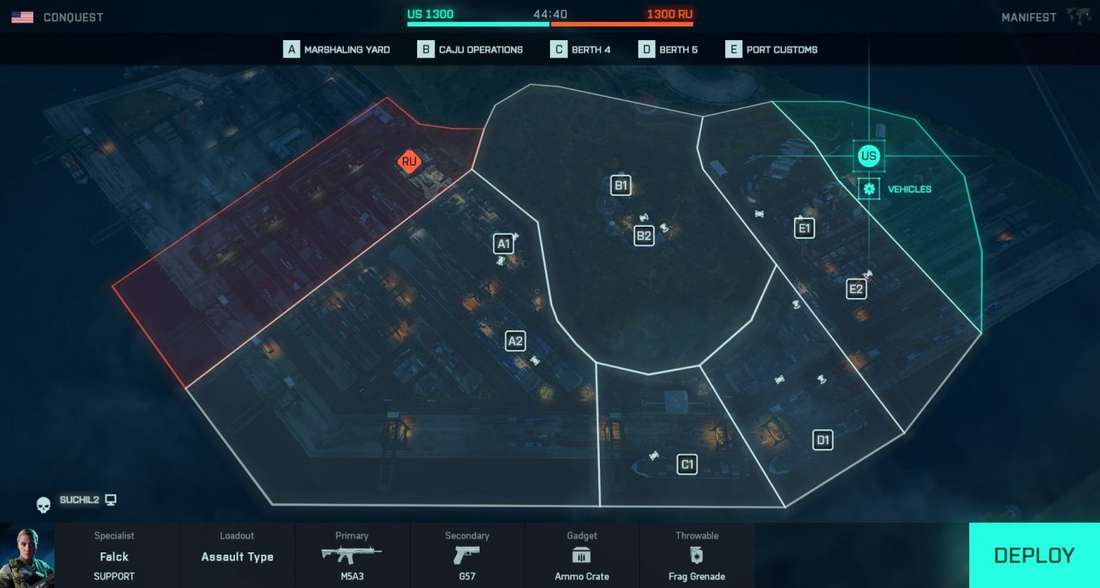 Case Studies in Rework: Kaleidoscope and Renewal
The reworks of maps like Kaleidoscope and Renewal serve as prime examples of the successful implementation of these new design principles. Kaleidoscope, often cited as the worst offender for its open, clean aesthetic, received a significant overhaul. The changes made the map feel less like a “walking simulator” by:
- Integrating new, destructible assets and raised terrain to create cover across previously open parks.
- Adding new points of interest, like an FOB, to concentrate infantry conflict.
- Moving and adjusting flag locations to create a more linear and intense flow in Breakthrough mode.
These post-launch map adjustments, combined with the earlier move to integrate Specialists into the classic Class System and the creation of smaller, infantry-focused maps like Redacted, indicate a determined effort by the developers to steer Battlefield 2042 back toward the franchise’s traditional strengths of combined arms, tight objective-based combat, and defined roles on the battlefield. The ongoing success of the reworked maps demonstrates that thoughtful design is more crucial than sheer scale in a high-player-count environment.
 Outlook: High-Value Design for Future Battlefield Titles
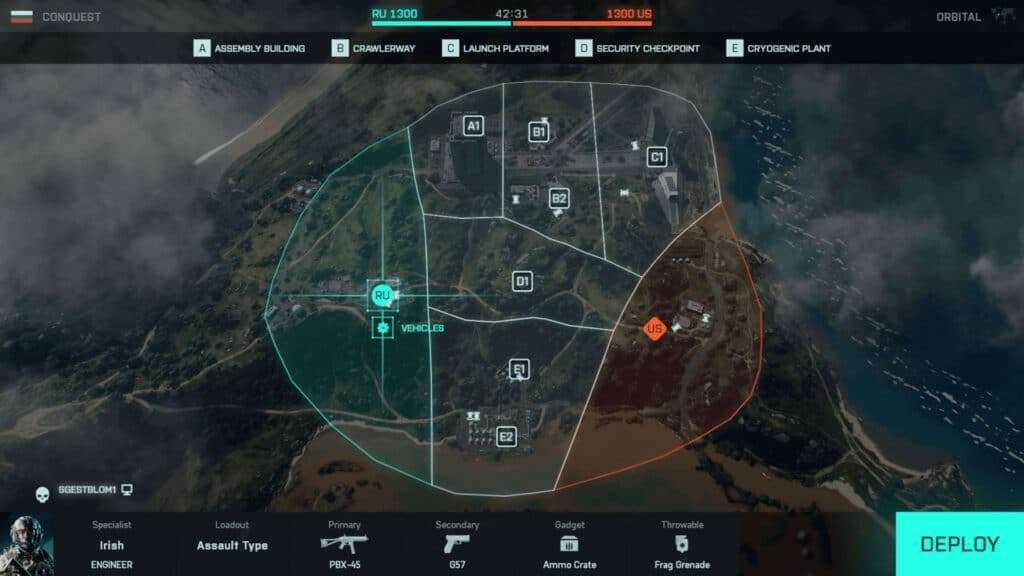
The lessons learned from the Battlefield 2042 map design crisis are heavily influencing the development of future titles, which are now confirming a return to the 64-player standard and emphasizing quality over raw size. The community’s painstaking analysis of map dimensions across the franchise confirms that Battlefield 2042’s initial maps were not just large but also functionally empty, highlighting the difference between playable area and strategically engaging space. This re-evaluation ensures that future iterations prioritize map flow, cover density, and tactical decision-making—core elements for a successful multiplayer experience and high-value gaming content.