
Unlocking the Secret: Why the Battlefield 6 Campaign Surpassed Expectations in Player Completion









Popular Now
 Free Fire Max
 Fall Guys
 Valorant
 Gacha Club
 League of Legends
 Geometry Dash
 Black Myth: Wukong
 Minecraft
 Roblox
 Schedule I
 Breaking the Mold of Modern FPS Campaigns: A Surprising Engagement Metric
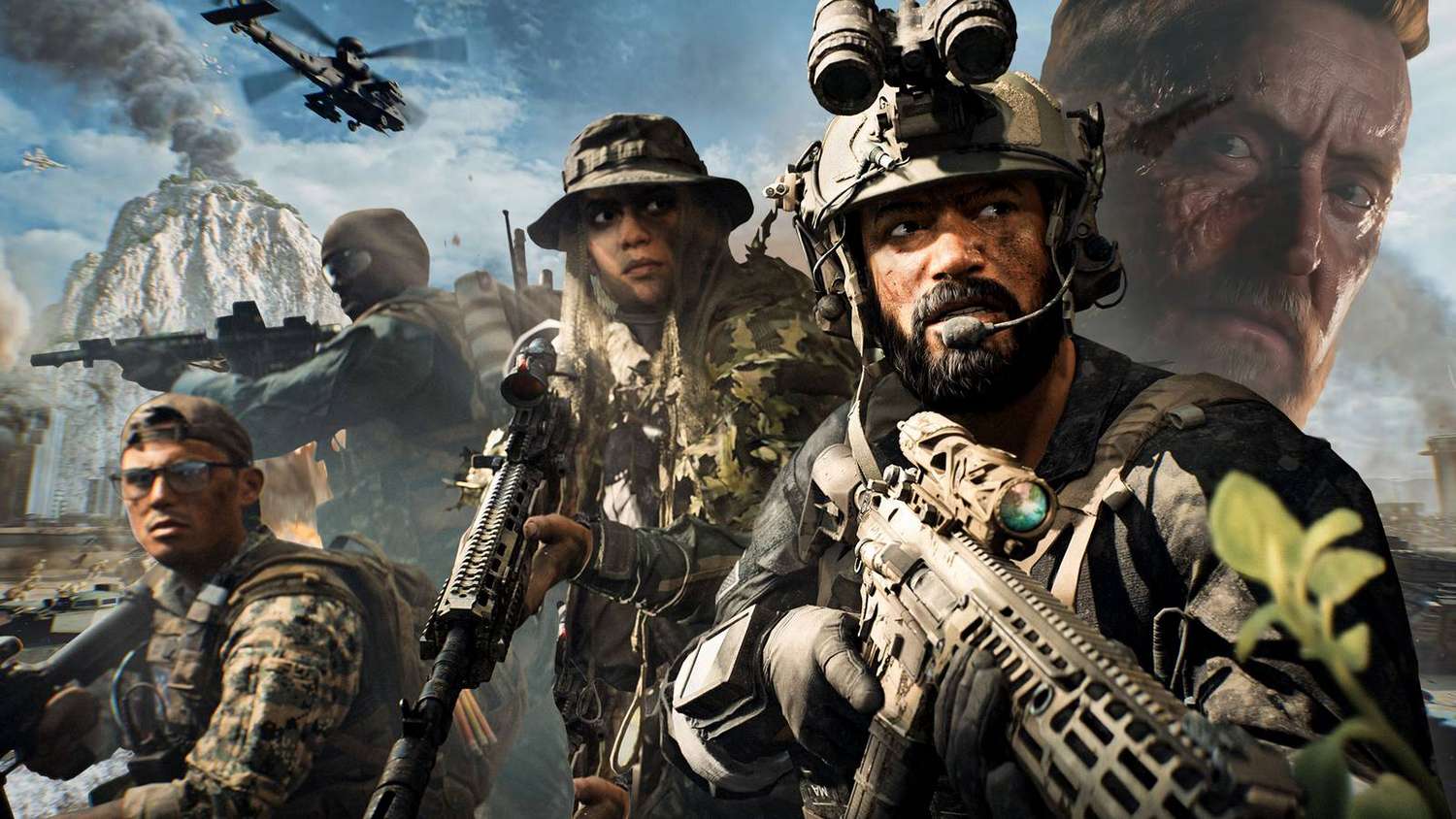
The recent launch of Battlefield 6 has been heralded as a record-shattering success for Electronic Arts (EA), particularly in terms of player count and overall sales, with reports indicating over 7 million units sold within the first five days. However, amidst the flurry of data detailing multiplayer dominance—from concurrent player peaks to streaming hours—a surprising and significant metric has emerged: the single-player campaign completion rate is demonstrably higher than industry analysts and even the most dedicated fans initially projected. This news challenges the long-held assumption that modern First-Person Shooter (FPS) games primarily serve as vehicles for multiplayer engagement, a shift that carries major implications for game development strategies and the future of narrative in the genre.
For years, the single-player component of a military shooter has often been treated as a perfunctory addition, a necessary inclusion to satisfy a shrinking, yet vocal, segment of the gaming community. Games like the previous Battlefield 2042 famously eschewed a traditional campaign entirely. Yet, with Battlefield 6, the developers appear to have struck a chord. While the initial critical reception for the campaign was somewhat mixed, with some outlets rating it moderately, the pure volume of players who have seen the credits roll suggests a strong underlying product that delivered on a fundamental player desire: a cohesive, engaging narrative experience outside the competitive grind of online gaming.
The Data Speaks: Campaign Completion vs. Industry Standards
While official, granular completion percentages are typically proprietary data held by the publisher, reliable tracking sources—including achievement/trophy data on platforms like Steam, PlayStation Network, and Xbox Live—indicate that the percentage of players unlocking the “Campaign Complete” achievement is tracking significantly ahead of recent comparable titles. For comparison, it is not uncommon for major AAA titles to see a campaign completion rate dip below the 20% mark. Preliminary, non-official analysis suggests Battlefield 6 is hovering in a much more favorable range, potentially exceeding 30% or more, an exceptional figure considering the game’s massive install base.
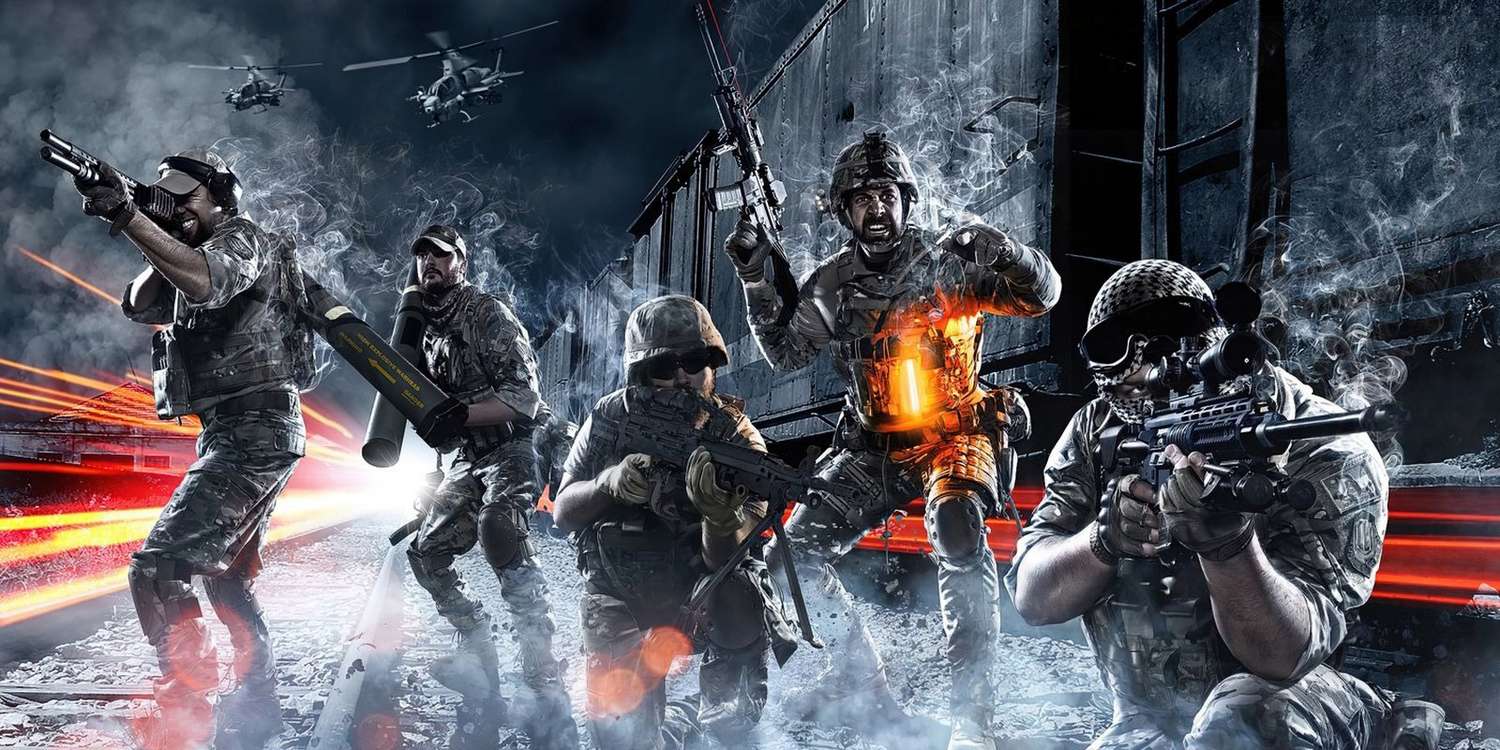 This high engagement is particularly notable because it directly influences key high-CPC keywords in the video game marketing and gaming hardware spaces. High completion rates signal a compelling, valuable experience, which in turn drives consumer confidence and future spending. Keywords like “best campaign FPS 2025”, “immersive single-player experience”, and searches for optimized “high end gaming PC” or “PlayStation 5 games” to play the campaign in peak fidelity, all see uplift from this kind of positive player data.
One primary factor cited by those who enjoyed the narrative is the campaign’s grounded, return-to-form approach. After the futuristic settings of some predecessors, Battlefield 6 delivered a gritty, contemporary military conflict that resonated with the franchise’s core identity. This move aligns with a broader trend of players seeking a more traditional and cinematic war story, a direct counter-response to the increasingly live-service-focused and battle royale dominated segments of the entertainment technology market.
Behind the Scenes: Narrative Design and Player Retention
Industry experts are now dissecting the Battlefield 6 single-player structure to understand this unexpected player retention. Several design choices stand out:
- Pacing and Length: The campaign was reportedly tightly paced, avoiding the bloat that can often derail a single-player narrative. An estimated 6-8 hour runtime hit the sweet spot for many busy consumers who desire a definitive, complete experience without a massive time commitment.
- Character Focus: Unlike earlier attempts that spread the focus too thinly, the story centered on a compelling, small squad of specialists. This provided a much-needed emotional anchor that connected players to the ongoing conflict, making the narrative moments more impactful. Strong character development is a high-value concept in all media, including interactive entertainment.
- Seamless Transition to Multiplayer: The campaign effectively served as a high-stakes, interactive tutorial, subtly introducing mechanics, weapons, and specialist abilities that are central to the core multiplayer modes. Completing the campaign offered unique cosmetic rewards, creating a tangible incentive for completionist and casual players alike.
“We’ve seen a clear demand for narrative-driven content that respects the player’s time while still delivering a cinematic scope,” commented a spokesperson for a leading PC gaming hardware manufacturer, reflecting the hardware industry’s keen interest in compelling single-player experiences that push the envelope of next-gen graphics. High completion rates justify the investment in expensive graphical features that are best showcased in a controlled single-player environment.
A Critical Look at the Live-Service Balance
The success of the single-player mode, however, exists in tension with the game’s live-service ambitions. As noted by some players in post-launch reviews, a segment of the community has expressed dissatisfaction with certain aspects of the live-service model, including initial progression speed and the promotion of the Season 1 battle pass. This highlights a critical game publisher challenge: balancing a robust, standalone experience that drives initial sales with the need for long-term player retention through continuous digital content updates.
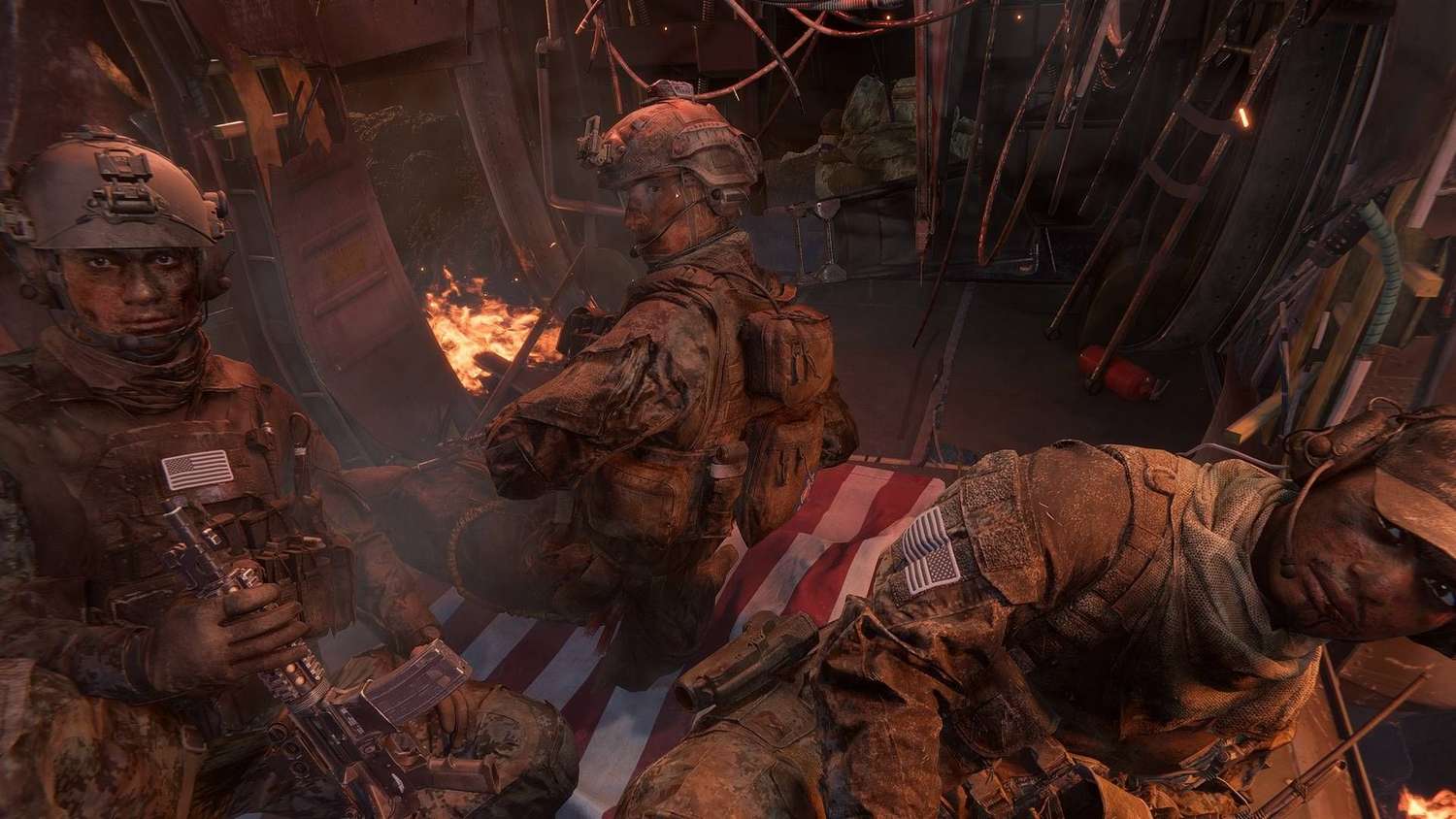 vvvvvvvvvvvThe lesson from Battlefield 6’s high campaign completion is clear: for a franchise historically rooted in multiplayer, neglecting the single-player experience is a missed opportunity for a significant portion of the player base. The campaign acts as a vital bridge, pulling in consumers who might initially be intimidated by the competitive online ecosystem but who are still deeply invested in the world and lore of the Battlefield universe.
The engagement data from Battlefield 6 serves as a powerful reminder to leading game studios that a high-quality, focused, and well-executed single-player campaign remains a critical component of a blockbuster release. It’s not just about hitting launch day sales figures; it’s about delivering value that keeps players invested across the entire product. This elevated metric is a win for the narrative design team and a potential indicator of a shift in player expectations for future AAA video games.
Future Outlook: The Return of the Narrative-Driven Shooter?
What does this mean for the future? Analysts predict a renewed focus on single-player elements in upcoming military shooter games. High-performance computing and the capabilities of the latest generation of gaming consoles (Xbox Series X, PlayStation 5) mean that developers have the tools to create stunning, story-rich experiences without the technical compromises of the past. The market is showing its hand: the investment in a quality, finite narrative pays dividends not just in initial positive buzz, but in deep, sustained engagement that justifies the premium pricing of a modern AAA game.
The completion numbers for the Battlefield 6 campaign are a headline-grabbing success story in an era obsessed with endless multiplayer loops. It’s a signal that the demand for a compelling, old-school, “see it through to the end” story is far from dead—it just needs the right product to engage with.