
Did Halo 2’s E3 Demo Features Revolutionize Gaming More Than Any Other Single Mechanic Reveal?







Popular Now
 PUBG Mobile
 Fall Guys
 Free Fire Max
 CarX Street
 Auto X Drift Racing 3
 EA SPORT FC 25
 Rust
Rust
 Grand Theft Auto V
 Garena Free Fire: Kalahari
 Candy Crush Saga
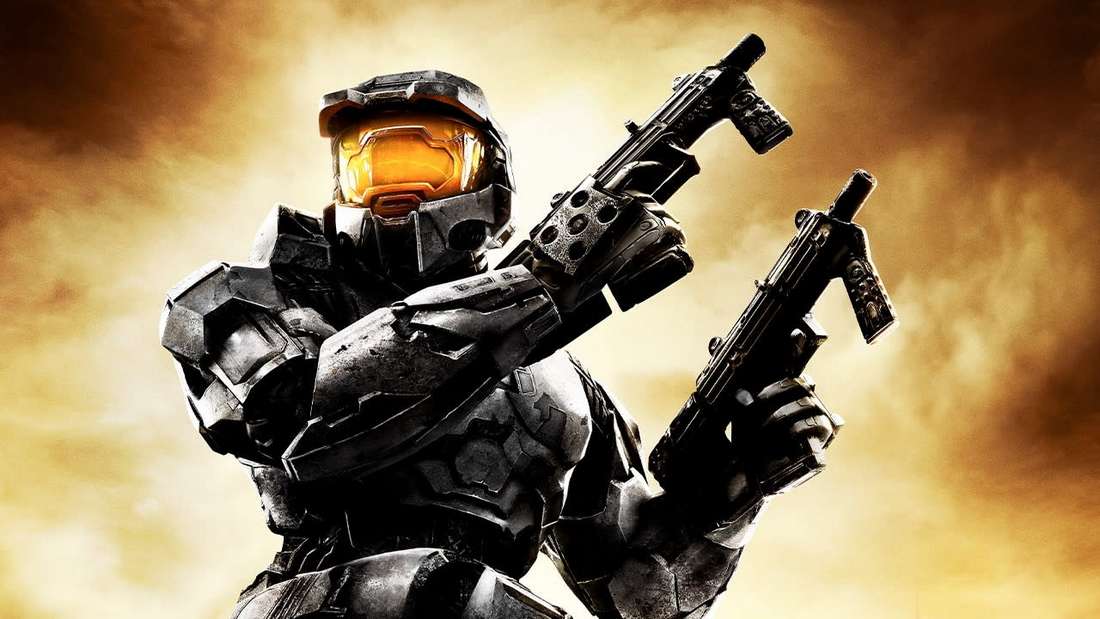 The mystique surrounding the Halo 2 E3 2003 demo is almost as legendary as the game itself. It was an eight-minute, pulse-pounding glimpse into a future of console shooters that, while famously “smoke and mirrors” and utilizing a development engine that would later be scrapped, delivered a cocktail of new features that generated astronomical levels of video game hype. The question of whether any single mechanic from that demo—or any other reveal—had a greater moment is a fascinating debate that pits spectacle against foundational design.
While the Halo 2 demo wasn’t about a singular mechanic, its genius was in the rapid-fire introduction of an entire suite of interlocking features that promised to fundamentally evolve the FPS experience. The key mechanics that blew the doors off E3 attendees included:
- Dual Wielding: The ability to fire two separate weapons simultaneously, sacrificing the use of grenades and melee for pure firepower.
- Vehicle Hijacking/Boarding: The visceral new option to leap onto an enemy vehicle (like a Covenant Ghost) and punch out or toss the driver, instantly seizing control.
- The Battle Rifle (BR) Reveal: Showing off a sleek, single-shot version of the iconic weapon (though it was later changed to a burst-fire weapon in the final release).
- Next-Level Lighting and Graphics: Demonstrating a much more advanced engine and detailed environment, which, again, proved too ambitious for the original Xbox hardware.
The collective impact of these mechanics, all in one dramatic, highly-scripted sequence, created an unprecedented cultural moment. The audience reaction videos—with gasps and cheers at the dual-wielding and vehicle theft moments—confirm this was a pinnacle of E3 announcements. However, to find a single mechanic with a comparable, or perhaps even greater, “moment,” we must look for reveals that altered the entire trajectory of game development or console sales.
 Contenders for the Most Impactful Single Mechanic Moment
A few moments in gaming history, centered on a single, game-changing mechanic, stand as worthy challengers to the collective impact of the Halo 2 demo:
The Legend of Zelda: Twilight Princess (E3 2004) – The Shift Back to “Realism”
While not a mechanic in the traditional sense, the reveal of a gritty, realistic aesthetic for the next Zelda game, following the polarizing art style of Wind Waker, was a massive emotional moment. It culminated in Shigeru Miyamoto taking the stage to thunderous applause, holding the Master Sword and Shield aloft. The sheer cultural weight of the reaction was a massive vindication for a generation of fans, demonstrating the profound power of a single stylistic or tonal shift in a major franchise.
Nintendo Wii Motion Controls (E3 2006) – The Industry Disruptor
The introduction of the Wii Remote and Nunchuk was the reveal of a simple yet radical new input mechanic. It wasn’t about fidelity or realism; it was about accessibility and redefining what a game controller could be. This single mechanic—motion control—was the foundation for the Wii’s success, which brought millions of non-gamers into the industry. While the E3 moment for the Wii (then ‘Revolution’) was less about a single gameplay segment and more about the philosophy, the moment people understood the mechanic of swinging a remote to play tennis was seismic. This mechanic literally altered console war dynamics and is a prime example of successful digital transformation strategies in hardware.
Doom’s Glory Kill/Chainsaw Mechanic (Various Demos) – Modernizing the “Boomer Shooter”
In modern shooters, the mechanics of the “Glory Kill” and the high-stakes resource management of the Chainsaw in the Doom reboots introduced a brilliant new design loop: aggressive, close-range combat is rewarded with health and ammo. This system isn’t just a combat move; it’s a mechanic that drives the entire flow state of the game. Its reveal and subsequent implementation demonstrated how to radically reinvent an old genre, though its initial reveal may not have had the single, all-encompassing spectacle of a Halo 2 moment.
Conclusion: The Moment vs. The Legacy
Ultimately, the Halo 2 E3 2003 demo’s moment was arguably the most intense and visually shocking revelation of new mechanics in a major sequel. The combined effect of dual-wielding, hijacking, and the sheer spectacle of the New Mombasa city battle created a peak in video game excitement that few reveals have ever matched. It was a perfect storm of technical ambition (even if misplaced), franchise demand, and gameplay innovation.
However, while the moment was enormous, the legacy of a mechanic like the Wii’s motion control—which fundamentally changed the console market and audience for a generation—may be argued as having a larger, more impactful role in game industry trends.
Therefore, while other mechanics (like motion controls or the dramatic tonal shift of Twilight Princess) had profound long-term impacts, it is difficult to argue that any single mechanic reveal captured the immediate, simultaneous astonishment and hype from a core gaming audience quite like the collection of features showcased in the legendary, even if flawed, Halo 2 E3 demo.