The End of the “Super Game”: Why Sega is Betting on Crazy Taxi and Jet Set Radio Instead.
Sega Cancels Super Game Project: Why the NFT, Cloud Gaming, and Social Platform Plan Failed
Meta Description: Sega has canceled its ambitious Super Game project after years of development. Here is why the NFT, cloud gaming, and social networking concept failed, and why Sega is now focusing on classic franchise reboots like Crazy Taxi, Jet Set Radio, Golden Axe, and Streets of Rage.
Sega has officially canceled its mysterious Super Game project, ending one of the company’s most ambitious and confusing gaming initiatives of the last several years. Originally announced in 2021, the project was expected to combine major online features such as cloud streaming, social networking, and possibly NFT-style digital ownership. However, after years of limited public information and changing market conditions, Sega has decided to discontinue development.
The cancellation marks an important shift for the company behind Sonic the Hedgehog, Yakuza / Like a Dragon, Persona, Shinobi, Crazy Taxi, and many other iconic franchises. Instead of pushing forward with a broad experimental platform built around trendy technology, Sega now appears more focused on reviving classic games that fans already understand and want to play.
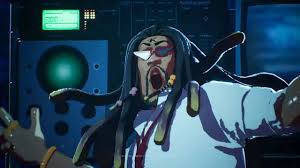
What Was Sega’s Super Game Project?
Sega’s Super Game project was first introduced as a large-scale initiative designed to create a new type of global gaming experience. The company described it as something bigger than a traditional release, with ideas connected to online communities, cross-platform play, cloud technology, social interaction, and long-term engagement.
At one point, the project was also linked to NFTs and blockchain-style concepts, which immediately made it controversial among many players. While some companies saw NFTs as the future of digital ownership, many gamers rejected the idea because they associated it with speculation, unnecessary monetization, and environmental concerns.
Because Sega never fully explained what the Super Game would actually be, the project remained vague. Was it a single game? A platform? A live-service ecosystem? A multiplayer hub? A cloud gaming experiment? The lack of clarity made it difficult for fans to understand why they should be excited.
Why Sega Canceled the Super Game
Sega explained that the project was canceled due to market competition, similar competing titles, and the company’s own business conditions. In simple terms, the gaming market changed, and the Super Game no longer looked like the right investment.
This decision makes sense. Since 2021, the industry has become much more cautious about large, expensive, experimental online projects. Many live-service games have struggled to maintain audiences. NFT gaming has lost much of its mainstream momentum. Cloud gaming remains important, but it has not replaced traditional console and PC gaming in the way some companies once predicted.
For a project as broad and expensive as Super Game, Sega needed a clear reason to continue. If the concept was no longer unique, if similar games were already competing for attention, and if development costs were rising, cancellation became the practical choice.
The Problem With Chasing Gaming Trends
The failure of Super Game highlights a larger issue in the modern video game industry: chasing trends can be dangerous. Over the last decade, many companies have tried to build around whatever seemed like the next big thing. Battle royale, live-service models, NFTs, metaverse platforms, social hubs, cloud streaming, and subscription ecosystems all attracted major corporate attention.
Some of these ideas can work when they serve the game. But when technology becomes the main selling point instead of fun gameplay, players often lose interest. Gamers usually do not want a product that feels like a business strategy first and a game second.
Sega’s Super Game may have suffered from that perception. Even before people knew what it was, many understood it as a project tied to corporate buzzwords. That made it harder to build trust with fans.
Why the NFT Angle Was Risky
One of the most controversial parts of the Super Game discussion was the possible use of NFTs. Several major publishers explored blockchain gaming during the early 2020s, but player response was often negative.
The main issue is that many gamers do not see NFTs as improving gameplay. If digital ownership does not make a game more fun, fair, or meaningful, it can feel like another layer of monetization. Players already deal with paid DLC, battle passes, cosmetics, subscriptions, and in-game currency. Adding NFT systems can make a game feel more like a marketplace than an entertainment experience.
For Sega, a company with decades of beloved franchises, pushing too hard into NFT gaming could have damaged goodwill. Canceling Super Game may help the company avoid that risk and refocus on products with clearer player appeal.
Classic Sega Reboots Are Still Moving Forward
Although Super Game has been canceled, Sega is not slowing down completely. The company still has several classic franchise revivals in development, including Crazy Taxi, Jet Set Radio, Golden Axe, and Streets of Rage.
This is a much more exciting direction for many longtime Sega fans. Instead of asking players to understand a vague experimental concept, Sega can bring back games with recognizable identities, strong nostalgia, and clear gameplay hooks.
These franchises helped define Sega’s history across arcades, Dreamcast, Genesis, and modern platforms. Bringing them back gives Sega a chance to reconnect with older fans while introducing younger players to the company’s creative legacy.
Crazy Taxi Could Be Sega’s Biggest Revival
Of all the upcoming Sega reboots, Crazy Taxi may be the most interesting. The original game launched in arcades in 1999 before becoming a Dreamcast favorite in 2000. Its formula was simple but unforgettable: pick up passengers, drive recklessly through a colorful city, perform wild shortcuts, and deliver customers as fast as possible.
Sega has teased a new version with an open-world structure and MMO-style elements. If handled well, that could be a smart evolution. A modern Crazy Taxi could allow players to explore a California-inspired city, complete driving challenges, compete online, customize vehicles, and participate in chaotic multiplayer events.
The challenge will be preserving the arcade energy. Crazy Taxi should feel fast, loud, stylish, and easy to understand. If Sega makes it too complicated or overloaded with live-service systems, it could lose the spirit of the original.
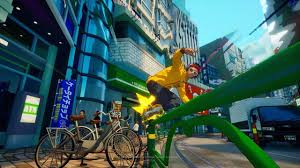
Jet Set Radio Has Huge Modern Potential
Jet Set Radio is another franchise with strong revival potential. Originally released on Dreamcast in 2000, the game became famous for its cel-shaded art style, skating movement, graffiti culture, and unforgettable music.
Modern gaming is full of stylish indie games and movement-based action titles, which makes the return of Jet Set Radio feel perfectly timed. A new entry could succeed if it delivers smooth traversal, expressive art direction, bold music, and a rebellious city atmosphere.
Fans do not need Jet Set Radio to become a massive open-world live-service platform. They need it to feel cool, creative, fast, and different from everything else on the market.
Golden Axe and Streets of Rage Can Strengthen Sega’s Action Lineup
Golden Axe and Streets of Rage represent two different sides of Sega’s arcade action history. Golden Axe began as a fantasy beat-'em-up in 1989, filled with warriors, magic, monsters, and brutal side-scrolling combat. A modern version could appeal to fans of co-op action games, fantasy brawlers, and retro arcade revivals.
Streets of Rage, meanwhile, already proved that classic Sega franchises can return successfully. Streets of Rage 4, released in 2020, was well received because it respected the series’ identity while updating the visuals, combat, and soundtrack for modern players.
If Sega applies that same care to Golden Axe, Jet Set Radio, and Crazy Taxi, these revivals could become more valuable than the canceled Super Game ever was.
What Sega’s Strategy Should Be Now
The cancellation of Super Game should not be seen only as a failure. It may also be a useful correction. Sega has a powerful catalog of franchises, and many of them still have global recognition. Instead of chasing unclear technology trends, Sega can focus on making great games with strong identities.
The company does not need every project to be a giant platform or online ecosystem. A focused, well-made Crazy Taxi or Jet Set Radio could generate more excitement than a vague cloud-based NFT project. Players respond to games they understand, characters they remember, and gameplay that feels fun immediately.
Sega’s best path forward may be a balance of nostalgia and modernization. Respect the classic identity, update the controls and visuals, add meaningful online features where appropriate, and avoid forcing unnecessary monetization systems into games that do not need them.
Final Thoughts
Sega’s decision to cancel the Super Game project shows that even major publishers are rethinking expensive, trend-driven experiments. Cloud gaming, social networking, and digital ownership may still have a place in the future, but they are not enough to carry a project without a clear creative vision.
For players, the better news is that Sega’s classic franchise reboots are still alive. Crazy Taxi, Jet Set Radio, Golden Axe, and Streets of Rage all have the potential to remind the gaming world why Sega became so beloved in the first place.
If Sega can focus on strong gameplay, bold style, and fan trust, the cancellation of Super Game may ultimately become a positive turning point. Instead of building around buzzwords, Sega can return to what matters most: making games people actually want to play.
- SEO Keywords: Sega Super Game canceled, Sega cancels Super Game, Sega NFT game, Sega cloud gaming project, Sega classic reboots, Crazy Taxi reboot, Jet Set Radio reboot, Golden Axe reboot, Streets of Rage new game, Sega games 2026, Sonic the Hedgehog company, video game industry news, live-service games, gaming business strategy