Lost in Space: Why Directive 8020 Leaves The Dark Pictures Anthology Feeling Adrift.
Directive 8020 Review: The Dark Pictures Goes Sci-Fi Horror With Alien Terror, Branching Choices, and Space Survival
Meta Description: Read our Directive 8020 review and discover how The Dark Pictures Anthology moves into sci-fi horror with alien paranoia, branching choices, permadeath, stealth gameplay, multiplayer tension, and a new Turning Points system.
Directive 8020 is one of the most ambitious entries in The Dark Pictures Anthology because it takes Supermassive Games’ cinematic horror formula into deep space for the first time. Instead of haunted ships, witchcraft, underground monsters, or slasher-inspired murder stories, this chapter places players on a deadly mission near Tau Ceti f, a distant planet that may represent humanity’s future—or its extinction.
The setup is immediately appealing for fans of sci-fi horror. A human crew searches for a possible new home world, only for disaster to leave them trapped with an alien organism capable of stealing organic appearances. That means anyone on the crew could be dead, replaced, or hiding something far worse than fear. The concept naturally recalls classics like Alien and The Thing, but the real question is whether Directive 8020 can turn those inspirations into a strong interactive horror experience.
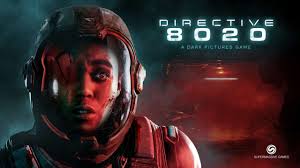
A New Direction for The Dark Pictures Anthology
The Dark Pictures games have always been built around branching choices, quick-time events, relationship systems, and the possibility that characters can die permanently if the player makes the wrong decision. That formula created tension because every choice had the potential to change the story. Directive 8020 keeps that foundation, but it also pushes the series further toward traditional third-person gameplay.
This is where the game becomes interesting and divisive. Earlier Supermassive horror games leaned heavily on cinematic presentation. Fixed camera angles, careful framing, and movie-like pacing helped make the player feel like they were controlling an interactive horror film. Directive 8020 moves closer to an over-the-shoulder third-person action style, giving players more direct control during exploration, stealth, and puzzle sections.
That shift may sound modern, but it also changes the identity of the series. When the camera becomes more conventional, the game loses some of the cinematic personality that made earlier Supermassive titles stand apart. Instead of feeling like a tense horror movie, Directive 8020 can sometimes feel like a familiar third-person stealth game with horror elements layered on top.
The Story: Alien Paranoia in Deep Space
The strongest idea in Directive 8020 is its central monster. The alien threat can imitate human bodies and faces, turning trust into a constant risk. In a normal horror game, players fear the monster outside the door. In Directive 8020, they also have to fear the person standing beside them.
This works especially well with The Dark Pictures’ branching storytelling. If a character may have been replaced, then every rescue attempt, every argument, and every sacrifice becomes more complicated. Are you saving a teammate, or are you helping the creature survive? Are you protecting your own character, or has your character already become something else?
That uncertainty gives the story a strong hook. Directive 8020 is at its best when it uses paranoia as a gameplay and narrative tool. Scenes involving suspicion, testing, loyalty, and hidden identity are easily the most memorable parts of the experience. The space setting also gives the game a natural sense of isolation. There is nowhere to run, no easy backup, and no safe outside world waiting beyond the door.
Multiplayer Makes the Paranoia Stronger
One of the best uses of the shapeshifting alien concept is in multiplayer. The Dark Pictures Anthology has often used shared storytelling to create conflict between players. Each person may become attached to different characters, and choices can protect one character while putting another at risk.
Directive 8020 makes that tension sharper. Because the alien can copy people, players may not even know whether they are making the right selfish choice. Saving “your” character could be the worst decision if that character is no longer human. This gives multiplayer sessions a stronger social layer and makes betrayal, hesitation, and suspicion feel more meaningful.
For players who enjoy party horror games, shared decision-making, and replayable narrative games, this is one of Directive 8020’s biggest strengths. The premise fits the multiplayer format better than many previous anthology stories because mistrust is built directly into the threat.
Stealth and Puzzles Feel Too Familiar
Where Directive 8020 struggles most is in its traditional gameplay sections. The game includes stealth sequences where players crouch behind cover, move through hallways, hide near vents, and wait for the monster to turn away. These moments are functional, but they rarely feel fresh or especially frightening.
The problem is predictability. Horror stealth works best when enemy behavior feels dangerous, uncertain, and intelligent. If the monster’s patrol route becomes too easy to read, the tension fades. Instead of feeling hunted, players may feel like they are simply waiting for a walking pattern to reset.
The puzzle design also has mixed results. Some solutions are too obvious, while others can feel unclear in a frustrating way. In a cinematic horror game, pacing is extremely important. If a puzzle slows the story without adding atmosphere, fear, or discovery, it can weaken the overall experience.
Performance and Presentation Issues Hold It Back
Directive 8020 has a strong concept, but its execution can feel uneven. Some performances help sell the tension, while others can sound stiff or disconnected from the scene. In a game built around cinematic storytelling, voice acting matters a lot. If a line delivery feels unnatural, it can break immersion quickly.
The game also shows signs of technical strain. Certain cutscenes feel less fluid than expected, and character interactions can sometimes appear awkward. Moments that should feel dramatic may become slightly uncanny when animation, camera movement, or dialogue timing does not fully land.
This is a familiar issue for some Supermassive projects. The studio’s games often have exciting concepts and strong branching systems, but the formula can feel like it needs a technical refresh. Directive 8020 makes that need more obvious because its sci-fi setting and shapeshifter story demand a high level of polish to truly work.
The Turning Points System Is a Smart Addition
One of the best new features in Directive 8020 is the Turning Points system. This feature allows players to revisit major branching moments more easily. If a key outcome happens, players can rewind quickly or later jump into important sections through the story timeline.
This is a useful improvement for several types of players. Completionists can search for missed secrets without replaying the entire game from the beginning. Curious players can explore alternate outcomes more easily. Players who regret a choice can change direction without losing hours of progress.
Some fans may prefer to live with their first playthrough and treat it as their true version of the story. That approach still works. But for a branching horror game, giving players better access to alternate paths is a smart quality-of-life improvement. It makes the story more flexible without removing the tension for players who choose not to rewind.
Is Directive 8020 Scary?
Directive 8020 has moments of strong horror potential. The alien imitation concept is unsettling. The space setting creates isolation. The idea that any character could be compromised gives the story a constant layer of distrust.
However, the game is less effective when it relies on routine stealth, basic puzzles, or predictable monster movement. The scariest parts are not always the chase sequences. They are the moments when the game makes players question identity, loyalty, and survival.
If Directive 8020 had leaned even harder into psychological paranoia and cinematic tension, it could have been one of the strongest entries in the anthology. Instead, it sometimes feels pulled between two identities: a movie-like branching horror story and a standard third-person stealth adventure.
What Directive 8020 Means for the Future of The Dark Pictures
Directive 8020 arrives at an important time for The Dark Pictures Anthology. The series still has a great core idea: short, replayable horror stories where choices matter and anyone can die. That concept remains strong. But the formula is starting to show age.
For future entries to feel fresh, Supermassive may need to return to stronger cinematic direction, improve performances, modernize its technology, and make gameplay systems feel more purposeful. The anthology does not need to become a full action series. Its strength has always been interactive storytelling, atmosphere, and high-pressure decision-making.
Directive 8020 proves that the series can still find exciting premises. A space horror story with a body-stealing alien is exactly the kind of concept that fits the anthology format. But strong ideas need equally strong execution.
Final Verdict
Directive 8020 is a fascinating but uneven sci-fi horror game. Its premise is excellent, its shapeshifting alien creates real paranoia, and its multiplayer structure makes trust more dangerous than ever. The new Turning Points system is also a smart improvement that makes branching storylines easier to explore.
At the same time, the game struggles with predictable stealth, inconsistent performances, awkward presentation, and a formula that feels increasingly worn. Fans of The Dark Pictures Anthology may still find plenty to enjoy, especially if they love space horror, branching choices, and multiplayer decision-making. But players hoping for a major evolution of Supermassive’s cinematic horror style may come away wanting more.
Directive 8020 is worth watching because it shows both the promise and the problem of The Dark Pictures Anthology. The concept is strong. The setting is exciting. The paranoia works. But for the series to truly move forward, it needs more than a new location. It needs a sharper, scarier, and more cinematic future.
- SEO Keywords: Directive 8020 review, The Dark Pictures Directive 8020, Dark Pictures Anthology, Supermassive Games, sci-fi horror games, space horror game, Alien inspired horror game, The Thing inspired game, branching story games, choice-based horror games, multiplayer horror games, best horror games 2026, cinematic horror games, survival horror games