eBay’s Rejection Letter to GameStop is a Cold, Hard Masterclass in Professional Shade.
GameStop’s $56 Billion eBay Takeover Bid Rejected: Why the Deal Failed and What It Means for Investors
Meta Description: GameStop’s proposed $56 billion acquisition of eBay has been rejected. Here is why eBay dismissed the takeover bid, what financing concerns mean, and how the decision affects shareholders, retail investors, e-commerce, and GameStop’s future strategy.
GameStop’s ambitious attempt to acquire eBay has officially been rejected, marking one of the most surprising corporate takeover stories in the retail and e-commerce space. The video game retailer reportedly proposed a $56 billion deal to buy the online marketplace, but eBay’s board of directors declined the offer after raising serious concerns about financing, business risk, valuation, and the long-term future of a combined company.
The rejection is not difficult to understand. GameStop may still be one of the most recognizable names in gaming retail, but its financial position is very different from eBay’s. According to the proposal details, GameStop has around $9.4 billion in assets, while its bid valued eBay at approximately $56 billion. That gap immediately created questions about how GameStop would fund such a massive acquisition without creating enormous debt pressure.
For investors, shareholders, and anyone following the future of retail stocks, this failed bid is more than a strange headline. It highlights the tension between legacy retail businesses, online marketplaces, debt financing, shareholder value, executive incentives, and the challenge of transforming a company in a rapidly changing digital economy.
Why eBay Rejected GameStop’s Takeover Proposal
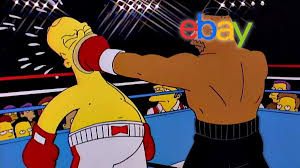
eBay’s board did not view the offer as strong enough to justify serious negotiations. The company concluded that the proposal was not financially convincing, strategically attractive, or beneficial enough for long-term shareholders. In simple terms, eBay believes it can create more value by continuing as an independent company rather than becoming part of GameStop.
That decision makes sense from a business perspective. eBay remains a major global e-commerce marketplace with a strong brand, broad user base, and established online auction and resale model. While the company faces competition from Amazon, Walmart Marketplace, Etsy, Facebook Marketplace, and other digital commerce platforms, it still has a clear identity in the online resale and collectibles market.
GameStop, on the other hand, has been working through a difficult transformation. The company became famous during the meme stock era, attracting massive attention from retail investors. However, its core business still faces long-term pressure from digital game downloads, subscription services, online retailers, and changing consumer behavior. Physical video game retail is no longer as dominant as it once was, and GameStop has had to close stores as part of its effort to become more profitable.
The Biggest Problem: Financing the $56 Billion Deal
The largest concern around the proposed acquisition was financing. GameStop reportedly claimed it had secured $20 billion in debt financing, but that amount would still leave a major funding gap. Even more concerning, the debt would likely create significant financial pressure on the combined company if the transaction were completed.
Debt-financed acquisitions are not unusual in corporate finance, but they can become risky when the buyer is much smaller than the target. In this case, GameStop’s asset base was far below the proposed purchase price for eBay. That raised a basic question: how would GameStop pay for the rest of the deal without weakening the company or placing excessive debt on eBay’s balance sheet?
For eBay shareholders, that uncertainty matters. A takeover bid is not only about the headline number. It is also about the quality of the offer, the reliability of financing, the structure of the deal, the future debt burden, and whether shareholders believe the buyer can successfully manage the combined business.
Why eBay Believes It Is Better Off Alone
Another reason eBay rejected the proposal is that the company appears confident in its standalone future. If a company believes it can deliver long-term shareholder value on its own, it has less reason to accept a complicated acquisition offer from a buyer with financing questions.
eBay’s business may not grow as explosively as newer tech platforms, but it has several advantages. It operates in online commerce, benefits from global resale trends, and has a strong position in categories like collectibles, electronics, car parts, sneakers, trading cards, and secondhand goods. These markets continue to attract buyers who want alternatives to traditional retail pricing.
By staying independent, eBay can focus on improving its platform, strengthening buyer and seller trust, enhancing payments, expanding advertising revenue, and growing high-value categories without taking on the operational risk of merging with GameStop.
What GameStop Wanted From eBay
GameStop’s interest in eBay is not completely random. Both companies are connected to resale, collectibles, gaming, electronics, and consumer marketplaces. In theory, a GameStop-eBay combination could have created a larger commerce platform focused on gaming products, used electronics, collectibles, trading cards, retro games, and online resale.
GameStop has already shown interest in transforming beyond traditional brick-and-mortar retail. Buying eBay would have instantly given the company a massive online marketplace, seller network, and global e-commerce infrastructure. It could have helped GameStop reposition itself as a broader digital commerce player rather than a struggling physical retailer.
However, a bold strategic idea is not enough. The financial details must work. The leadership structure must be credible. The acquisition must make sense for both companies. In this case, eBay’s board clearly did not believe GameStop had presented a strong enough plan.
Ryan Cohen’s Potential Incentive Problem
Another important issue involves GameStop CEO Ryan Cohen and executive incentives. According to the details described in the proposal, Cohen could potentially benefit significantly if GameStop’s market value increased dramatically after an acquisition. That type of incentive structure can raise governance concerns for the target company’s board.
From eBay’s perspective, the question is whether the takeover would truly benefit eBay shareholders or mainly create upside for GameStop leadership and investors hoping for a major stock market reaction. Corporate boards are expected to evaluate whether a proposal is fair, financially sound, and aligned with shareholder interests. If the board believes the buyer’s incentives are not properly aligned, that can become another reason to reject the offer.
Could GameStop Still Try a Hostile Takeover?
The rejection does not necessarily end the story. GameStop could still attempt to appeal directly to eBay shareholders. In corporate finance, this type of strategy can sometimes lead to a hostile takeover attempt, where a buyer tries to purchase enough shares or gain enough shareholder support to pressure the target company.
However, a hostile takeover of a company like eBay would be extremely difficult. GameStop would still need financing, shareholder support, regulatory review, and a convincing plan for managing the combined business. Without stronger details on funding and strategy, a direct appeal to shareholders may face the same skepticism that eBay’s board already expressed.
What This Means for GameStop
For GameStop, the rejected bid shows that the company is still searching for a major transformation strategy. Closing stores and cutting costs may improve short-term profitability, but investors are still looking for a convincing long-term growth plan.
GameStop’s challenge is clear: the physical video game retail market has changed. More players buy games digitally. Consoles support online storefronts. Subscription services and cloud gaming are growing. Hardware, accessories, collectibles, and trade-ins can still generate revenue, but the company needs a modern strategy that matches the direction of gaming commerce.
A move into online marketplace infrastructure could make sense, but buying eBay may have been too large, too risky, and too difficult to finance.
What This Means for eBay
For eBay, rejecting the offer allows the company to stay focused on its existing business plan. It also sends a message to investors that the board believes eBay has enough value as a standalone company.
The decision may also strengthen eBay’s position if future buyers appear. By rejecting a proposal it viewed as weak, eBay can argue that any serious acquisition offer must provide stronger financing, a better valuation, and a clearer strategic plan.
Final Thoughts
GameStop’s rejected $56 billion bid for eBay is a dramatic example of how difficult major acquisitions can be when ambition runs ahead of financial reality. The idea of combining a gaming retailer with a global online marketplace may sound bold, but eBay’s board saw too many risks: uncertain financing, heavy debt, operational challenges, governance concerns, and questions about whether the deal would truly benefit long-term shareholders.
For now, eBay remains independent, while GameStop must continue searching for a realistic path forward. The failed proposal shows that transformation in modern retail requires more than a headline-grabbing offer. It requires capital, credibility, strategy, and trust from shareholders.
Whether GameStop makes another move or walks away, this story will remain important for investors watching the future of e-commerce, retail stocks, digital marketplaces, gaming retail, and corporate takeover strategy.
- SEO Keywords: GameStop eBay takeover, GameStop $56 billion bid, eBay rejects GameStop offer, Ryan Cohen GameStop, eBay shareholders, GameStop stock news, retail investor news, e-commerce acquisition, hostile takeover, corporate finance, online marketplace business, gaming retail stocks, shareholder value